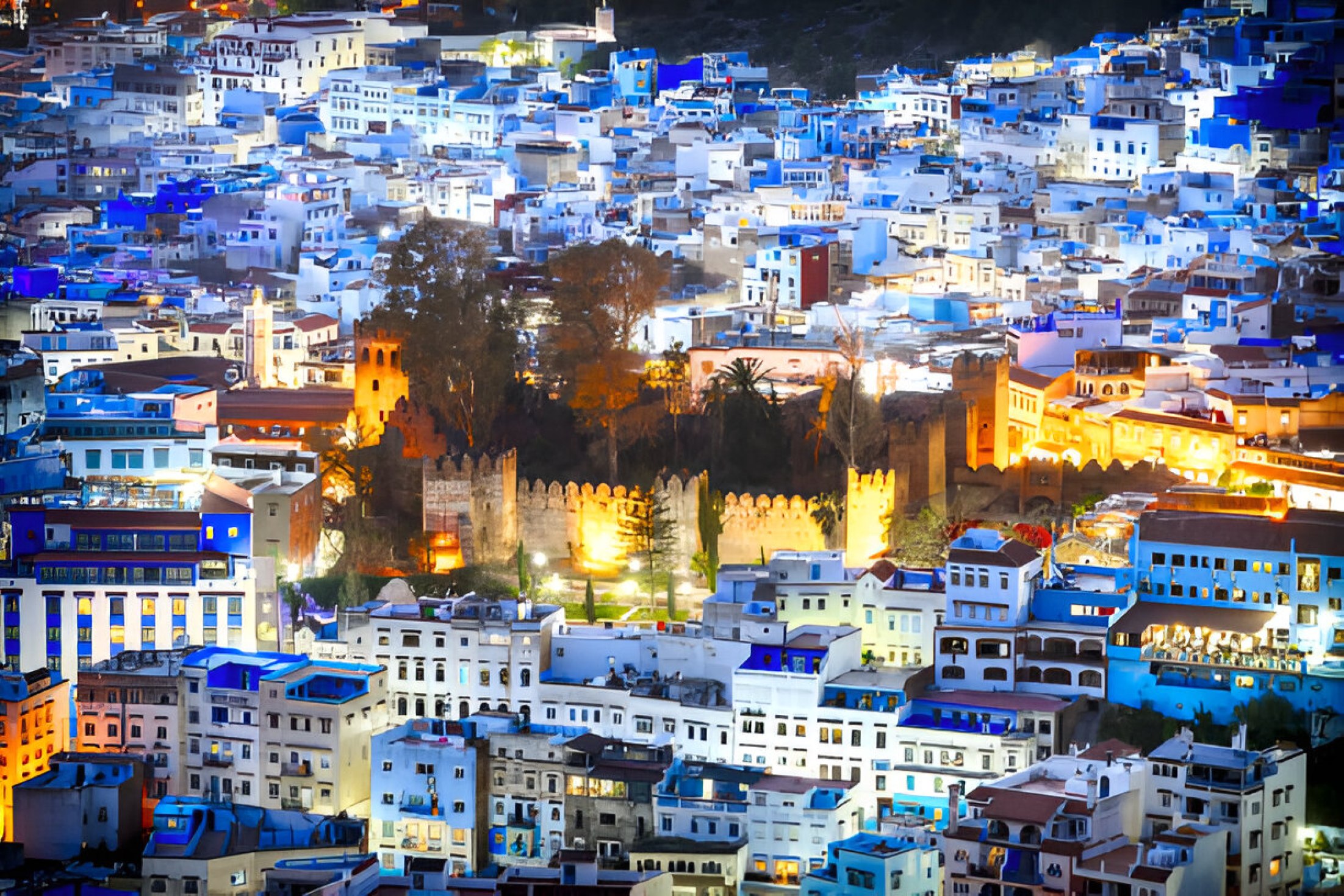
Discover Chefchaouen, Morocco’s Famous Blue City
Few places in Morocco are as instantly recognizable as Chefchaouen. Tucked away in the heart of the Rif Mountains, this charming town is famous for its maze of blue-painted alleyways, colorful doorways, and breathtaking mountain backdrop. Known as the Blue Pearl of Morocco, it has become one of the country’s most iconic destinations, drawing photographers, hikers, and travelers from around the world.
But Chefchaouen is much more than a picture-perfect town. Beyond its famous blue streets, you’ll discover centuries of history, vibrant local markets, traditional Moroccan craftsmanship, and a relaxed pace of life that’s hard to find elsewhere.
Whether you’re planning a day trip or spending a few nights exploring northern Morocco, Chefchaouen offers an unforgettable blend of culture, scenery, and authentic local experiences.
Quick Facts About Chefchaouen
| Location | Rif Mountains, Northern Morocco |
| Founded | 1471 |
| Nickname | The Blue Pearl of Morocco |
| Known For | Blue-painted Medina, mountain scenery, handicrafts |
| Best For | Photography, culture, hiking, slow travel |
| Recommended Stay | 2 days |
Why Visit Chefchaouen?
What makes Chefchaouen special isn’t just its famous blue streets—it’s the way the town encourages you to slow down and experience everyday Moroccan life. Spend your mornings wandering quiet alleyways before the crowds arrive, browse family-run artisan shops, sip mint tea in Plaza Uta el-Hammam, or hike to viewpoints overlooking the Blue City and the Rif Mountains.
Unlike Morocco’s larger cities, Chefchaouen offers a more relaxed pace where it’s easy to explore on foot without a packed itinerary. Whether you’re interested in photography, local culture, shopping for handmade crafts, or simply escaping the crowds, it’s one of the country’s most rewarding places to spend a couple of days.
Chefchaouen, Morocco’s Blue City
Chefchaouen, or “Chaouen” as locals refer to it, is a tiny town in northern Morocco. It is nestled in the breathtaking Rif Mountains and is well-known for its signature blue-painted streets and houses. This lends the town a calming, even mystical atmosphere.
Chefchaouen, which was founded as a fortification in 1471, has since become a popular tourist site. Visitors go from all over the world to experience its beauty and tranquil environment. Despite its distant position, Chefchaouen has emerged as a must-see destination for travellers looking for a one-of-a-kind Moroccan experience.
Why is Chefchaouen called the Blue City?
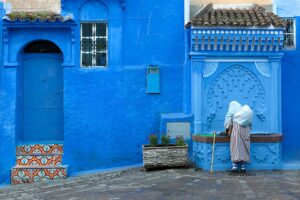
One of the first questions travelers ask before visiting Chefchaouen is why nearly every street, doorway, and building is painted blue. While there isn’t one universally accepted explanation, historians and local traditions point to several theories that together help explain the town’s famous appearance.
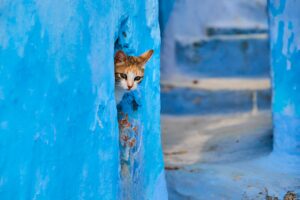
To Honor the Traditions and Customs of the Jewish Culture
One common idea holds that the blue colour was introduced by the Jewish community. After fleeing the Spanish Inquisition, numerous Jews moved in Chefchaouen. The colour blue represents the sky and heaven, as well as a spiritual connection with God. This cultural impact continues to form the town’s particular look today.
The Tradition of Blue: More Than Just a Color
Chefchaouen’s blue colour is both beautiful to look at and important to the culture. People in the town think that the colour represents peace and quiet, which makes the whole place feel peaceful and in sync. Over time, it’s become more than just a style choice; it’s become an important part of the town’s character.
The colour blue reminds the people of Chefchaouen of their dedication to mental peace and quiet. It’s no longer just a custom for decoration; it’s become an important part of the town’s mood.
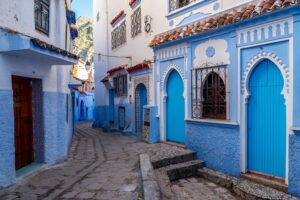
To Keep the Buildings Cool
Another theory is that blue paint helps buildings stay cooler in the summer heat. Blue reflects sunlight, lowering heat absorption and making spaces more pleasant. This practical rationale demonstrates the people’ ability in adjusting to the region’s environment.
The Role of Blue in Local Heritage and Tourism
With the growth in tourists, there has been a determined attempt to maintain the town’s blue identity. Locals are careful to keep the traditional tones of blue, ensuring that the legacy is preserved despite the rising number of visitors. The tourism boom has also boosted awareness about the necessity of preserving the town’s cultural character, especially its distinctive blue-painted houses.
How Chefchaouen’s Blue Tradition Will Live On
The blue paint used in Chefchaouen is important to the culture, and it’s also good for the earth because it’s often made from natural colours found in the area. This method is good for the earth and fits with the town’s goals to protect both its natural beauty and its wildlife.
Many of the traditional colours come from plants and rocks in the area, which connects the beauty of the town even more to the natural world around it.
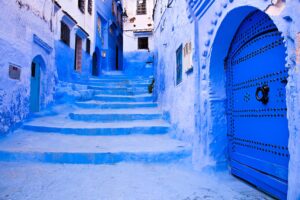
Symbolizing Water and Tranquility
A third hypothesis proposes that blue signifies water, a valuable resource in the region. Water is crucial in the parched Rif Mountains, and the colour blue represents its significance. Blue also has a relaxing impact, which adds to the quiet and serene ambiance that attracts people to Chefchaouen.
Local Significance and the Preservation of Tradition
Not only is the colour blue beautiful to look at, but it also has a deep value for the community. Many people in the area think that the colour makes them feel calmer, less stressed, and more at ease. This idea has kept the custom alive, even as the city of Chefchaouen grows in popularity around the world.
Travellers are asked to follow the town’s history and not change the colours of houses or buildings in order to keep the town’s charm. Painting the town blue is an important part of the culture there, and keeping the practice alive is important for keeping Chefchaouen’s real feel.
Which Theory Is Most Likely?
No single explanation has ever been officially confirmed. Most historians agree that the Jewish refugee theory has the strongest historical evidence, while the ideas of cooling buildings, symbolizing water, and creating a peaceful atmosphere likely helped reinforce the tradition over time. Today, the blue streets are more than just a tourist attraction—they’re a defining part of Chefchaouen’s cultural identity and one of the reasons the city remains unlike anywhere else in Morocco.
History of Chefchaouen
Long before it became Morocco’s famous Blue City, Chefchaouen was a small mountain settlement with a rich cultural and historical heritage. Over the centuries, the town has evolved from a fortified refuge into one of the country’s most distinctive travel destinations while preserving much of its traditional character.
Who Founded Chefchaouen?
Chefchaouen was founded in 1471 by Moulay Ali Ben Moussa Ben Rached El Alami, who established the town as a fortified settlement to defend northern Morocco from Portuguese expansion along the Mediterranean coast. Its location in the Rif Mountains provided both natural protection and strategic advantages, helping the settlement grow into an important regional center over the following centuries.
The Jewish Influence on the Blue City
One of the most well-known parts of Chefchaouen’s history is the arrival of Jewish refugees who fled Spain during the late 15th century. They settled alongside Muslim communities and contributed to the town’s cultural identity, architecture, and local traditions.
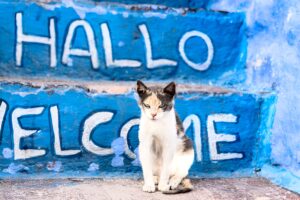
Many historians believe these Jewish communities helped popularize the tradition of painting buildings blue, as the color held spiritual significance and symbolized the sky and heaven. While several theories explain why Chefchaouen is blue, this remains one of the most widely accepted explanations.
From Fortress Town to a Peaceful Mountain Destination
For centuries, Chefchaouen remained a relatively isolated mountain town, preserving its traditional way of life and unique architecture. As Morocco opened to international tourism during the 20th century, visitors gradually began discovering its blue-painted streets, relaxed atmosphere, and spectacular mountain scenery.
Today, the town is no longer known only for its historical importance but also as one of Morocco’s most photogenic and culturally rich destinations.
Chefchaouen Today
Modern Chefchaouen successfully balances tourism with local traditions. Visitors come from around the world to wander its blue Medina, shop for handmade crafts, enjoy traditional Moroccan cuisine, and explore the surrounding Rif Mountains.
Despite its growing popularity, Chefchaouen has maintained its slower pace of life and authentic character, making it a refreshing contrast to Morocco’s larger cities such as Marrakesh, Fes, and Casablanca.
Where is Chefchaouen?
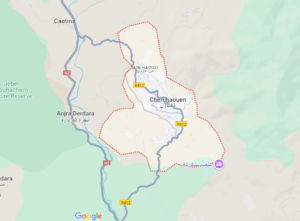
Chefchaouen is a picturesque mountain town in northern Morocco, nestled in the heart of the Rif Mountains. Located about 110 km (68 miles) from Tangier and roughly 200 km (124 miles) from Fes, it’s known for its peaceful setting, cooler mountain climate, and iconic blue-painted streets.
Although it’s slightly off Morocco’s main tourist route, Chefchaouen is easy to reach by road and is often included in itineraries between Tangier, Fes, and Casablanca.
Why is Chefchaouen Famous?
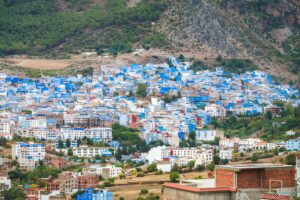
Often called the Blue Pearl of Morocco, Chefchaouen is famous for its striking blue-painted Medina, where winding alleyways, colorful doorways, and whitewashed buildings create one of the country’s most recognizable landscapes.
Beyond its famous blue streets, the town is also known for its relaxed atmosphere, traditional Moroccan handicrafts, scenic mountain surroundings, and easy access to hiking destinations such as the Rif Mountains and Akchour Waterfalls. Whether you’re interested in photography, local culture, or simply slowing down for a few days, Chefchaouen offers a very different experience from Morocco’s larger cities.
How to Get to Chefchaouen
Part of the fun is getting to Chefchaouen. The trip is very worthwhile, even if it needs some planning. Depending on where in Morocco you start your trip, there are different ways to get around.
Getting from Tangier to Chefchaouen
Chefchaouen is about a two-hour drive from Tangier, which is where your trip in Morocco starts. You can either hire a private cab or take a shared van, which will cost you less. Along the way, the trip takes you through beautiful mountain roads with stunning views.
Getting from Fes to Chefchaouen
It takes about 4 hours to drive from Fes to Chefchaouen. You can take the bus or, for a more comfortable ride, hire a private transfer. There are beautiful views along the way, which makes the trip itself an unforgettable experience.
Getting from Casablanca to Chefchaouen
If you’re coming from Casablanca, the trip will take longer—about 6 to 7 hours by car. You could also take the train from Casablanca to Fes and then a bus or cab to get to Chefchaouen.
Getting from Marrakech to Chefchaouen
If you’re coming from Marrakech, the best way to get to Chefchaouen is to fly to Tangier or Fes first. This cuts down on the time you spend on the road so you can see more Moroccan towns. Sites like Skyscanner let you compare flights to find the best deals.
Online Ticket Booking for the CTM Bus Line
The CTM bus network is one of the most reliable and comfortable ways to reach Chefchaouen from Tangier, Fes, and Casablanca. Booking tickets in advance is recommended, especially during weekends and the busy spring and autumn travel seasons.
Getting from the CTM Bus Station to the Medina
The CTM bus station is located just outside the historic Medina. A short taxi ride takes only a few minutes, while many accommodations in the town centre can also be reached on foot in around 15–20 minutes, depending on where you’re staying.
Best Time to Visit Chefchaouen
Chefchaouen is such a beautiful place to visit any time of the year, but if you’re looking for the perfect time to go, spring (March to May) and autumn (September to November) are definitely the best seasons. The seasons here are just right for enjoying Chefchaouen.
The temperatures are mild, making it a great time to wander through the town’s narrow streets and take part in outdoor activities like hiking in the Rif Mountains or checking out local attractions.
Spring (March to May):
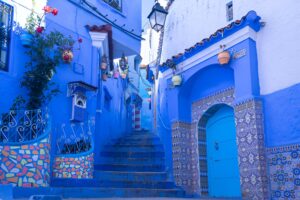
Spring time in Chefchaouen is just perfect, with temperatures sitting between 18°C and 25°C (64°F to 77°F). Springtime in Chefchaouen is lovely, with nice weather that makes it just right for strolling through the charming blue streets and checking out the local markets. Also, the town isn’t as busy as it gets in the peak summer months, which makes for a much more peaceful experience.
Fall (September to November):
Fall in Chefchaouen is another fantastic time to visit. The weather remain moderate, and summer crowds have subsided. With fewer visitors, it’s the ideal time to explore Chefchaouen’s rich culture at a leisurely pace. Autumn is also an excellent season to enjoy outdoor activities such as trekking or simply taking in the breathtaking scenery.
Summer (June to August):
During the summer, Chefchaouen can get pretty warm, with temperatures frequently going above 30°C (86°F). But hey, this could actually be a great time for folks who like to avoid the crowds. Summer in Chefchaouen is a great time to explore in the early morning or evening, just make sure you’re ready for the heat!
The weather in Chefchaouen can get pretty hot, so make sure to drink plenty of water and put on some sunscreen!
Winter (December to February):
Winter in Chefchaouen can get pretty chilly, with temperatures usually hanging around 7°C to 16°C (45°F to 60°F). Even though you might run into some rain and a few mountain trails could be closed because of the weather, winter really offers a calm and serene vibe for anyone wanting to check out the city on their own.
Winter in Chefchaouen is a fantastic time to visit if you love photography or want to explore the town without all the usual hustle and bustle.
Top Things to Do in Chefchaouen
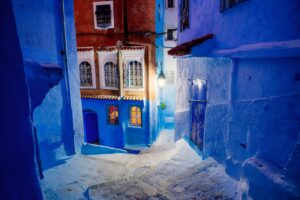
All sorts of tourists can find something to their liking in Chefchaouen. You may find what you’re looking for in Chefchaouen, one of the most attractive cities in Morocco, whether it’s cultural activities, outdoor excursions, or just some downtime. Some of the best attractions in Morocco’s Chefchaouen are these:
Wander the Chefchaouen Medina
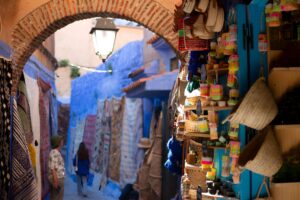
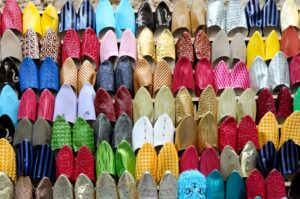
One of the most beautiful places in Morocco to take pictures is the Medina of Chefchaouen. Its blue-painted streets and pale buildings make for a peaceful mood that’s great for exploring. You’ll see local markets, handcrafted goods, and cute cafes as you walk through the maze of small streets. Spend some time in Chefchaouen’s lively souks, where you can buy traditional Moroccan textiles, pots, and bright clothes.
Visit the Kasbah Museum
The Kasbah is a stronghold located on Plaza Uta El-Hammam, Chefchaouen’s main plaza. Built in the 15th century, it provides insight into Chefchaouen’s past. Inside, you’ll discover the Kasbah Museum, which exhibits ethnographic collections and historical artefacts that highlight the region’s rich culture and legacy. A trip around the Kasbah provides stunning views of the city and the neighbouring mountains.
Hike to the Spanish Mosque
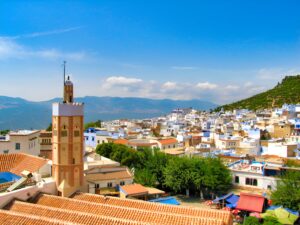
For some of the greatest views of Chefchaouen, head to the Spanish Mosque, which lies just outside the town centre. A short walk up the hill will reward you with panoramic views of the city, with its signature blue tint reaching out below. The greatest time to see the Spanish Mosque is around sunset, when the city is drenched in golden light, making it ideal for photography.
Explore the Rif Mountains
Chefchaouen is tucked away in the Rif Mountains, making it a great spot for outdoor adventures. Hiking, trekking, and checking out the local nature trails are such great ways to soak in the natural beauty around here. If you’re a nature lover looking for a day trip from Chefchaouen, you should definitely check out the Akchour Waterfalls and God’s Bridge. They’re both really popular spots!
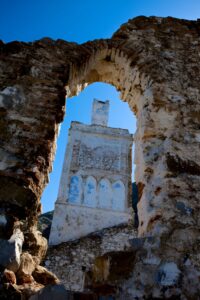
Visit the Ras El Ma Waterfall
You can find the serene Ras El Ma Waterfall, a place to unwind by the riverside and listen to the sound of running water, within a short stroll of the Medina. Take a break from exploring and relax in the peaceful surroundings—it’s the ideal spot. You may also see the residents going about their day-to-day lives in Chefchaouen at this laundry.
Relax at Plaza Uta El-Hammam
The Plaza Uta El-Hammam is the main square in Chefchaouen and a famous spot for people to get together. The square is full of cafes and restaurants, making it a great place to relax with a cup of Moroccan mint tea. Watch the people, enjoy the lively atmosphere, or look at the old buildings around you.
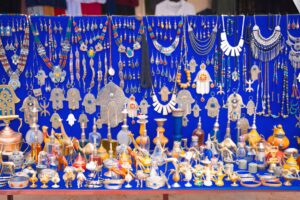
Visit the Blue Gates and Alleyways
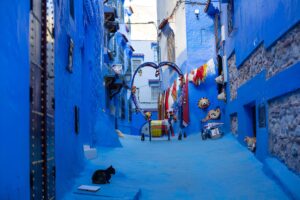
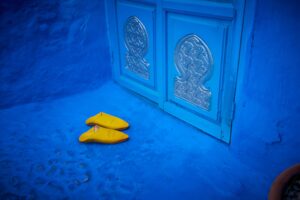
The famous blue-painted gates and streets in Chefchaouen are a big reason why people go there. As you walk through the small streets, take pictures of the bright blue houses and other interesting architecture. Chefchaouen’s blue colour is so well-known that it’s one of the best places for photographers and tour leaders to visit in Morocco.
Take a Day Trip to Akchour Waterfalls
If you have an extra day, consider visiting the Akchour Waterfalls, one of the most popular day trips from Chefchaouen. The scenic hiking trails lead through forests and rivers to beautiful waterfalls and the famous God’s Bridge, a natural rock arch surrounded by dramatic mountain scenery.
Best Photo Spots in Chefchaouen
With its maze of blue-painted streets, colorful doorways, and mountain backdrop, Chefchaouen is one of Morocco’s most photogenic destinations. While you’ll find beautiful scenes almost everywhere you walk, these are the best places to capture the city’s unique character.
The Blue Alleyways
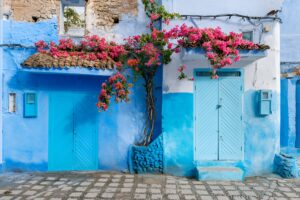
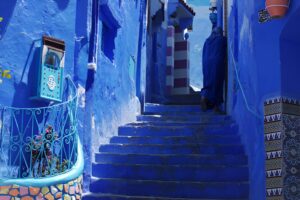
The narrow blue alleyways are Chefchaouen’s signature attraction and the first place most visitors head with a camera. Every turn reveals painted staircases, flower pots, arched doorways, and vibrant blue walls that make even casual photos look stunning.
For the best results, explore Medina early in the morning when the streets are quieter and the soft natural light brings out the different shades of blue without large crowds in the background.
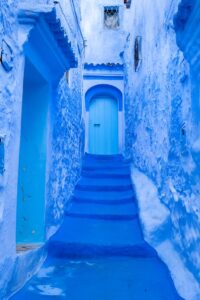
Spanish Mosque Viewpoint
For the best panoramic view of Chefchaouen, hike to the Spanish Mosque overlooking the town. The short uphill walk takes around 20–30 minutes and rewards you with sweeping views of the Blue City surrounded by the Rif Mountains.
Sunset is the most popular time to visit, as the warm golden light contrasts beautifully with Chefchaouen’s blue rooftops and white buildings.
Kasbah Rooftop
Located inside the historic Kasbah Museum, the rooftop terrace offers one of the best elevated views of Medina. From here, you can capture the mix of blue houses, terracotta rooftops, and the surrounding mountain landscape from a unique perspective.
It’s an excellent location if you want wider cityscape photos rather than close-up street scenes.
Ras El Maa
Just outside the eastern edge of Medina, Ras El Maa is a peaceful spot where fresh mountain water flows into the town. The small waterfalls, stone pathways, and surrounding greenery create a completely different setting from the famous blue streets.
It’s also a great place to photograph local daily life, as residents often gather here to relax or enjoy the cool water during warmer months.
Plaza Uta el-Hammam
The heart of Chefchaouen comes alive in Plaza Uta el-Hammam. Framed by cafés, traditional buildings, and the historic Kasbah, the square offers excellent opportunities for capturing the town’s lively atmosphere.
Visit in the late afternoon or early evening when outdoor cafés begin to fill, creating a vibrant contrast to the quiet alleyways found elsewhere in Medina.
Photography Tips
To capture Chefchaouen at its best, plan your walk during the first few hours after sunrise or later in the afternoon when the light is softer and temperatures are cooler. A wide-angle lens or smartphone’s ultra-wide camera works particularly well for photographing the narrow streets, while taking your time to explore beyond the main tourist routes often leads to the city’s most memorable photo opportunities.
How Many Days Do You Need in Chefchaouen?
Chefchaouen may look like a small mountain town on the map, but the amount of time you spend here can completely change your experience. While it’s possible to see the main highlights in a day, staying a little longer allows you to enjoy the peaceful atmosphere that makes Morocco’s Blue City so memorable.
1 Day in Chefchaouen
If you’re visiting Chefchaouen as a day trip from Tangier or Fes, one full day is enough to see the town’s most famous attractions. Spend your time wandering the blue-painted Medina, visiting the Kasbah Museum, relaxing in Plaza Uta el-Hammam, and walking to Ras El Maa. If time allows, finish your visit with the short hike to the Spanish Mosque for panoramic views over the city.
A one-day visit works well if you’re on a tight Morocco itinerary, but expect a fairly busy schedule with little time to explore beyond the main streets.
2 Days in Chefchaouen (Recommended)
For most travelers, two days is the ideal amount of time to spend in Chefchaouen.
An overnight stay lets you experience the Medina during its quietest hours—early in the morning before day-trippers arrive and again in the evening after many tour groups have left. These are often the best times for photography, browsing local artisan shops, and simply enjoying the town’s slower pace.
With two days, you’ll have enough time to visit the main attractions without rushing, relax in local cafés, sample traditional Moroccan cuisine, and discover some of the quieter blue alleyways that many visitors overlook.
3 Days in Chefchaouen
If you enjoy slow travel, photography, or hiking, spending three days in Chefchaouen is well worth considering.
An extra day gives you time to explore beyond Medina with a visit to the nearby Akchour Waterfalls or Talassemtane National Park, both popular day trips from the city. You’ll also have the flexibility to revisit your favourite viewpoints, browse local markets at a relaxed pace, and experience more of everyday life in the Rif Mountains without feeling tied to a schedule.
Our Recommendation
If your Morocco itinerary allows it, plan to spend two days and one or two nights in Chefchaouen. It’s the perfect balance for first-time visitors—long enough to see the town’s iconic sights, enjoy its relaxed atmosphere, and experience the Blue City beyond the busiest daytime hours without slowing down the rest of your trip.
Where to Stay in Chefchaouen
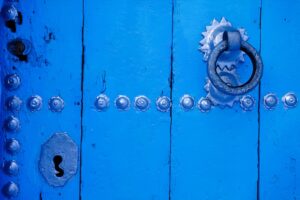
There are many places to stay in Chefchaouen, so there is something for every traveler and budget. There is something for everyone, whether you want a traditional Moroccan riad, a cosy hostel, or a nice new hotel. There are both cheap and expensive places to stay in the city, so every visitor can find a good place to rest.
I checked all the reviews from Skyscanner and picked the one best suited for me. When planning your trip to Chefchaouen, here are some things you might want to think about:
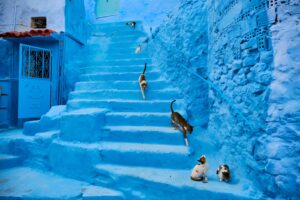
Stay in a Traditional Riad
If you want to really experience Morocco, you might want to stay in a riad. Traditional Moroccan homes like these, which are often built around an inner garden, offer a peaceful place to relax with beautiful design. There are many riads in Chefchaouen that have beautiful views of the Medina or the Rif Mountains.
You can look forward to friendly people, Moroccan art, and tasty food from the area. Some riads that get good reviews are Riad Assilah, which is known for having a calm atmosphere, and Riad Menta, which is a mix of comfort and style.
Budget-Friendly Guesthouses
In Chefchaouen, you may find many inexpensive guesthouses, perfect for those on a tighter budget. With these choices, you may enjoy a homely ambiance while yet getting a feel for the local culture. For individuals seeking a more personal encounter, guesthouses can provide a perfect base with their beautiful rooms and modest furniture.
Both Casa Annasr and Hotel Dar Chamaa are well-liked guesthouses due to their convenient locations and affordable prices.
Comfortable Hotels in Chefchaouen
If you want more facilities, numerous new hotels provide greater comfort and convenience. Many of these hotels have air conditioning, free Wi-Fi, and other facilities to guarantee a comfortable stay. Hotel Parador is an excellent choice, with easy access to Chefchaouen’s main plaza and big accommodations with mountain views. Another choice is Hotel Atlas Chaouen, which is recognised for its tranquil environment and excellent service.
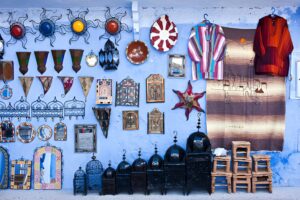
Boutique Hotels and Luxury Stays
For those looking for a more deluxe vacation, Chefchaouen boasts boutique hotels that combine Moroccan charm with modern luxury. Dar Lorkam is an attractive boutique hotel with modern amenities and a relaxing atmosphere. Lina Ryad & Spa is another excellent alternative, providing spa services as well as breathtaking views, making it ideal for a quiet trip.
Reviews and Booking Tips
Before you book, make sure to read reviews from other guests on reputable sites like Skyscanner to make sure the hotel lives up to your hopes. Reviews often talk about the best places to stay, how comfortable they are, how good the service is, and how much they cost.
There were reviews on Skyscanner, and I chose the one that met my needs for a peaceful and enjoyable stay in Chefchaouen.
Tips for Visiting Chefchaouen
It’s amazing to visit Chefchaouen because it has both beautiful views and a lot to offer in terms of culture. Here are some useful tips that will help you get the most out of your trip.
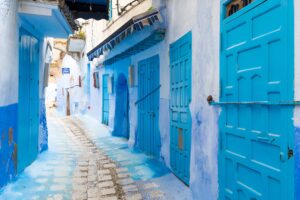
Is Chefchaouen Safe?
Chefchaouen is a safe tourist location. The inhabitants are recognised for their wonderful friendliness, and they welcome both lone travellers and families. While the town is regarded safe, it is always prudent to apply basic precautions, just as you would in any new environment. Respect local norms and be attentive of your possessions.
Local Etiquette
One of the things that makes Chefchaouen special isn’t just its famous blue streets—it’s the warmth of the local community. A little cultural awareness goes a long way and often leads to friendlier interactions throughout your trip.
Keep these simple etiquette tips in mind:
- Ask for permission before photographing local people, especially artisans, shopkeepers, and children.
- Dress modestly when walking through residential neighborhoods or visiting religious areas.
- Respect prayer times and keep noise to a minimum near mosques.
- Support locally owned cafés, riads, and artisan shops whenever possible instead of purchasing mass-produced souvenirs.
- Learning a few greetings like “Salam Alaikum” or “Bonjour” is a thoughtful gesture that locals usually appreciate.
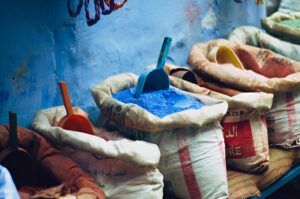
What to Wear in Chefchaouen
You’ll spend most of your time walking through steep cobblestone streets, staircases, and narrow alleyways, so comfortable clothing is far more important than dressing up for photos.
Lightweight, breathable clothing works well during the day, especially from spring through autumn. Because Chefchaouen sits in the Rif Mountains, evenings can become noticeably cooler than many visitors expect, making a light jacket or sweater a worthwhile addition to your day bag.
Although Chefchaouen welcomes travelers from around the world, modest clothing is recommended out of respect for local culture. Loose-fitting tops, long trousers, maxi skirts, or comfortable dresses are practical choices that also help you blend into the relaxed atmosphere of the town.
Money & Payment Tips
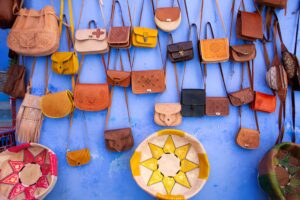
The official currency is the Moroccan Dirham (MAD).
While many hotels, riads, and larger restaurants accept major credit cards, smaller cafés, local shops, and market stalls often prefer cash. Having a reasonable amount of Moroccan Dirhams on hand makes everyday purchases much easier, especially inside the Medina.
ATMs are available around the town centre if you need to withdraw cash. Carrying smaller banknotes is also helpful, as many local vendors may not have enough change for larger bills.
Practical Tips for Travelers
- Pack Comfortable Walking Shoes: Because the streets of Chefchaouen are hilly and cobblestoned, it is important to wear comfortable shoes for walking and sightseeing. Many of the town’s treasures are best found on foot.
- Learn Basic Arabic or French Phrases: While many people in Chefchaouen understand English, knowing a few Arabic or French phrases might help you enjoy your stay and interactions with locals.
- Take your time: Chefchaouen is a city that encourages you to slow down. Take some time to meander around the small blue alleyways and soak up the tranquil ambiance. There’s no rush—enjoy every moment in this peaceful town.
- Stay Hydrated: While Chefchaouen’s cold mountain air is refreshing, make sure to drink enough of water while you explore the town’s hills and alleys, especially during the hottest months.
Read My other blogs- Link
14 Top Things to Do in Tangier Itinerary – Morocco Africa
Common Layover to Morocco: Casablanca Best Guide (2024)
13 Things to Do in Cappadocia Turkey
16 Best Things to Do in Greece (2024) Suggested Activity and attraction.
Frequently Asked Questions About Chefchaouen
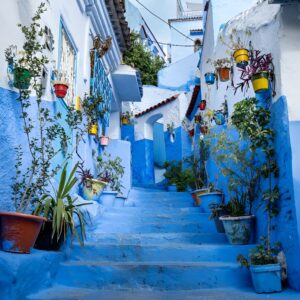
Why is Chefchaouen called the Blue City?
Chefchaouen is called the Blue City because of its iconic blue-painted streets and buildings. The color creates a serene and unique atmosphere that draws visitors from around the world.
Is Chefchaouen Worth Visiting?
Yes, Chefchaouen is definitely worth visiting. It offers a peaceful retreat with stunning blue streets, rich history, and friendly locals, making it an unforgettable destination in Morocco.
How Long Do You Need in Chefchaouen?
Two days are ideal for exploring Chefchaouen at a relaxed pace. This allows enough time to wander the medina, visit key landmarks, and enjoy the beauty of the city without feeling rushed.
How Big is Chefchaouen?
Chefchaouen is a small town with a population of around 43,000 people. Its compact size makes it easy to explore on foot, allowing visitors to experience its charm fully.
What is the Best Time to Visit Chefchaouen?
The best time to visit Chefchaouen is during spring (March to May) and fall (September to November). The weather is mild, making it perfect for outdoor activities and sightseeing.
Is Chefchaouen Safe for Tourists?
Yes, Chefchaouen is considered very safe for tourists. The town is known for its friendly locals and relaxed atmosphere, making it ideal for solo travelers and families alike.
What Should I Wear in Chefchaouen?
Comfortable walking shoes are a must, as the streets are steep and cobbled. Light, breathable clothing is recommended, especially during warmer months, but always respect the local culture by dressing modestly.
Can I Take Photos in Chefchaouen?
Yes, Chefchaouen is a photographer’s paradise. Its unique blue streets, buildings, and stunning views provide endless opportunities for memorable photos. Just be mindful and ask locals before photographing them.
What Should I Bring to Chefchaouen?
The streets in town are steep and have cobblestones, so you need to wear shoes that are easy on your feet. In the warmer months, bring light clothes. In the winter, especially, bring a light jacket for the nights when it gets cooler. Bring a camera with you so you can remember how beautiful the Blue City is!
Can I take a day trip from Chefchaouen?
Yes! Chefchaouen is a great place to start visiting the Rif Mountains that are close by. Hiking to the Akchour Waterfalls, exploring Talassemtane National Park, or going to nearby places like Tetouan are all popular day trips. These trips let you see both beautiful nature and interesting cultures.
What kind of money does Chefchaouen use?
The Moroccan Dirham (MAD) is used in Chefchaouen as well as the rest of Morocco. It’s best to exchange some money before you get there, but there are ATMs in town where you can get cash.
Can I pay with a credit card in Chefchaouen?
Some bigger places, like hotels and restaurants, take credit cards, but many smaller shops and markets would rather have cash. When you go to shops and markets in your area, make sure you have cash on you.