Planning three days in Ubud seems simple on paper until you actually land in Bali and face the reality of its narrow roads, sudden monsoon downpours, and notorious traffic jams. Ubud looks like a tiny, sleepy jungle village on social media. In reality, it is a sprawling, energetic cultural hub where a five-kilometer drive can easily take forty-five minutes during peak hours.
Trying to rush through its ancient temples, emerald rice terraces, and waterfall routes without a clear geographic plan is the quickest way to turn a dream vacation into an exhausting commute.
This 3 days in Ubud itinerary is designed specifically to fix that problem. Instead of forcing you into impossible schedules, this guide breaks down how to spend 3 days in Ubud logically—grouping attractions by location, factoring in real travel times, and showing you how to avoid the most common tourist traps along the way.
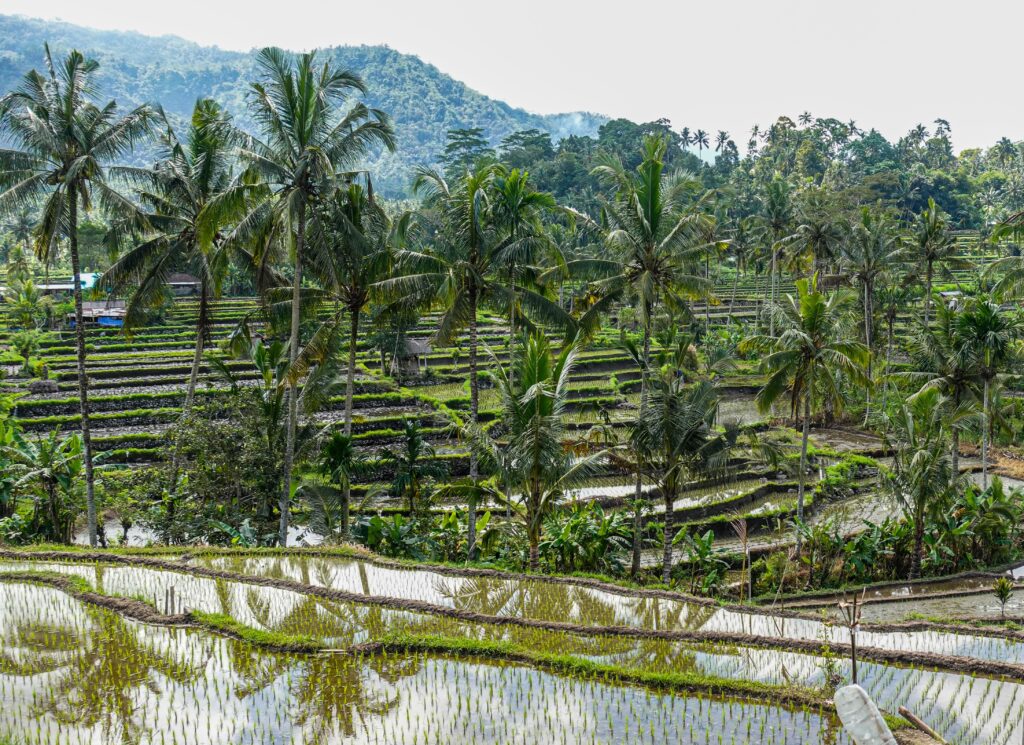
3 Days in Ubud Itinerary at a Glance
If you’re visiting Ubud for the first time, we recommend dividing your trip into three different experiences instead of trying to see everything at once.
| Day | Primary Focus | Highlights & Key Stops | Best Transport Method |
| Day 1 | Central Culture & Valley Views | Campuhan Ridge Walk, Ubud Traditional Art Market, Ubud Palace, Organic Dinner | Walking / Local Taxi |
| Day 2 | Northern Terraces & Sacred Waters | Tegalalang Rice Terrace, Pura Tirta Empul, Hidden Waterfall, Dance Show | Private Driver / Scooter |
| Day 3 | Monkeys, Waterfalls & Wellness | Sacred Monkey Forest, Kanto Lampo Waterfall, Yoga / Spa Session, Local Warung | Private Driver |
Is 3 Days in Ubud Enough?
Yes, three full days is the exact sweet spot for anyone visiting Ubud for the first time. It provides enough time to see iconic cultural sites, hike through lush river valleys, sample exceptional food, and unwind with a traditional massage without feeling rushed.
If you stay for only one or two days, you will spend most of your time stuck in traffic between scattered attractions north and south of the town center. Three days allows you to split the region geographically so you spend more time taking in the atmosphere and less time staring at scooter tail lights.
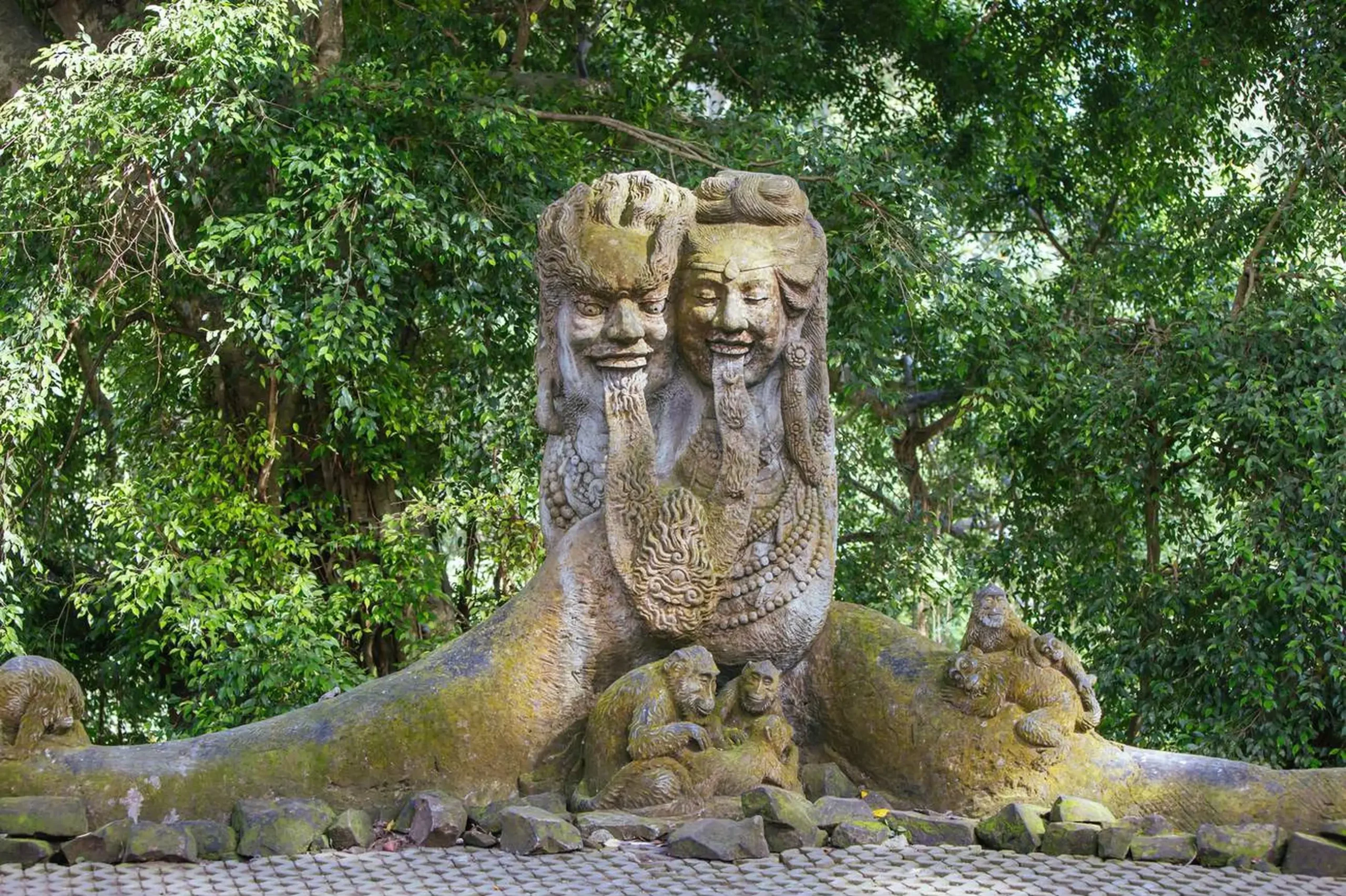
Who Should Spend 3 Days in Ubud?
Ubud is perfect for travelers who appreciate nature, spiritual history, artisan markets, wellness retreats, and exceptional dining. It offers a calm, grounded alternative to Bali’s bustling southern coastal towns.
However, if your primary goal in Bali is to lounge on white sand, surf daily, and party until sunrise, you might find Ubud too quiet after forty-eight hours. Before booking your stay, check out our guide on whether is Bali safe for detailed travel advice on navigating the island safely.
Why This 3-Day Route Works
Most online itineraries fail because they treat Ubud as a single compact destination. They instruct you to visit a waterfall in the east at 9:00 AM, a rice terrace in the north at 11:00 AM, and a monkey sanctuary in the south by mid-afternoon. That approach results in hours spent stuck in traffic.
This itinerary works because it minimizes back-and-forth travel:
- Day 1 focuses entirely on Central Ubud on foot: You settle in, adjust to the local pace, and explore central landmarks without dealing with major road traffic.
- Day 2 routes you directly North early in the morning: You beat the tour buses to Tegalalang and Tirta Empul before returning to town in the afternoon.
- Day 3 covers the Southern & Eastern highlights: You visit the Sacred Monkey Forest before moving toward Gianyar’s famous cascades.
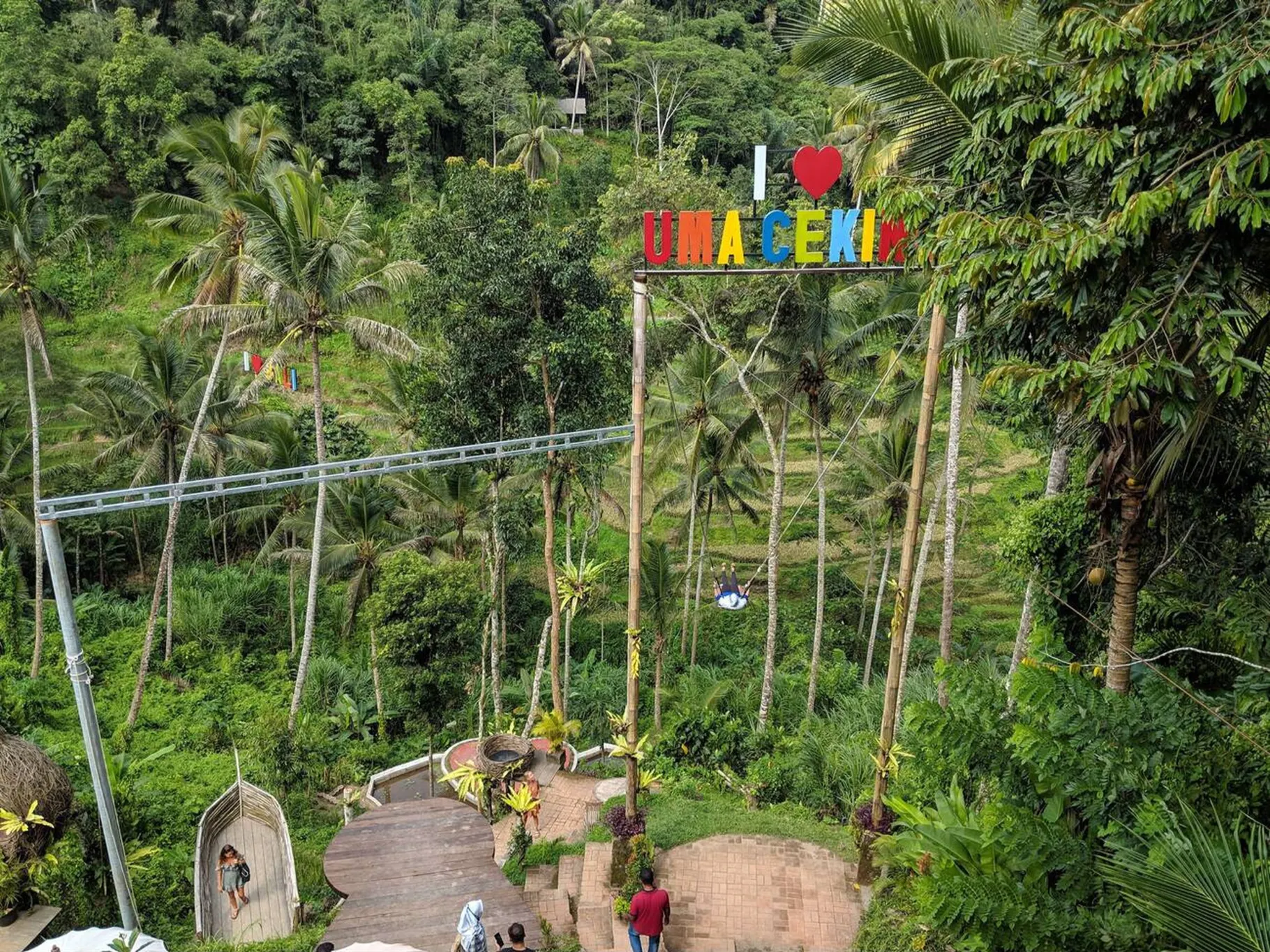
Before You Start Planning Your Trip
Best Time to Visit Ubud
The best time to visit Ubud is during the dry season, which runs from April to October. June through August offers the clearest skies and lowest humidity, though these months also bring peak crowd numbers and higher hotel rates.
The shoulder months of April, May, September, and October offer the best overall experience—you get reliable weather, lower accommodation prices, and far fewer crowds at major sites. The wet season (November to March) brings heavy tropical rain, typically in short afternoon bursts. While traveling during the wet season is much cheaper, jungle footpaths get slippery and river water at waterfalls turns muddy.
How to Get Around Ubud
Navigating Ubud requires a practical understanding of local transport rules:
- Renting a Scooter ($6 – $9/day): This is the fastest way to skip traffic jams. However, you should only ride if you have an international driver’s permit, solid riding experience, and comprehensive travel insurance. Ubud’s steep, narrow roads are not a safe place to learn.
- Hiring a Private Driver ($35 – $50/day): Hiring a driver for a full 8-to-10-hour day is the safest and most relaxing option for couples and families. Your driver acts as a local guide, handles navigation, and keeps your bags secure while you explore.
- Ride-Hailing Apps (Grab & Gojek): Apps work well for quick drop-offs around central Ubud. However, central Ubud has strict “No-Grab Pickup Zones” enforced by local driver associations. You may need to walk a short distance outside the town core to secure a ride-hailing pickup.
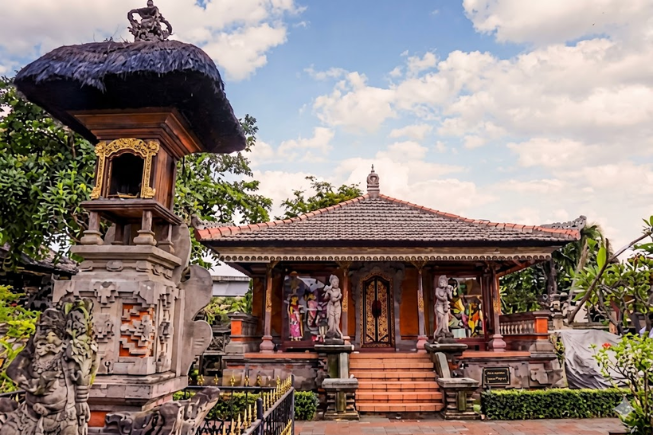
Where to Stay in Ubud for 3 Days
Choosing where to stay depends on whether you prefer walking convenience or quiet jungle surroundings:
- Central Ubud (Best for Convenience): Staying near Hanoman Street or Monkey Forest Road puts you within walking distance of top cafes, yoga studios, and markets.
- Penestanan & Sayan (Best for Couples & Wellness): Located just west of the center, these cliffside river valleys feature boutique villas, jungle views, and peaceful surroundings.
- Tegalalang (Best for Pure Nature): Set ten to fifteen kilometers north of town, this area offers peaceful stays looking out over green paddies, though you will need transport for dinner every evening.
For an in-depth accommodation guide covering every price point across the island, read our complete guide on where to stay in Bali.
Day 1: Rice Terraces, Temples & Culture
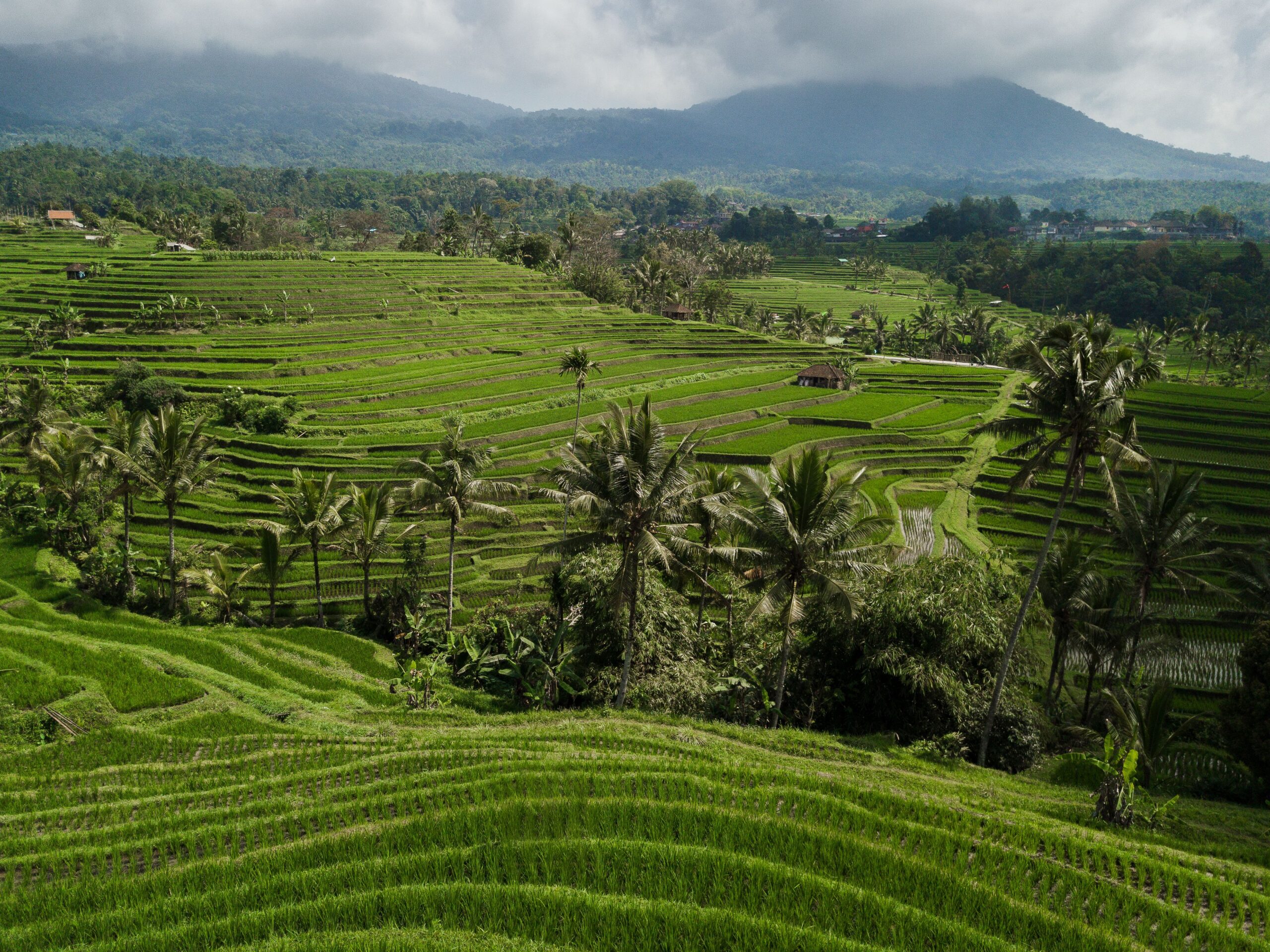
Morning: Early Sunrise Walk at Campuhan Ridge Walk
Start your first morning early by taking a peaceful walk along the Campuhan Ridge Walk. This paved footpath traces a high ridge between two lush river valleys right on the edge of town.
Arriving around 6:30 AM or 7:00 AM allows you to enjoy the cool morning air, sweeping valley views, and soft morning light before the heat of the day sets in. The walk takes roughly forty-five minutes round trip and ends near quiet hillside cafes where you can stop for fresh tropical fruit smoothies and local Bali coffee.
📍 Route Tip: The southern trailhead starts right near the Warwick Ibah Luxury Villas driveway. Look for the small yellow sign pointing down toward the river.

Late Morning: Ubud Traditional Art Market & Ubud Palace
Head into central Ubud to explore the Ubud Traditional Art Market (Pasar Seni Ubud) and the adjacent Ubud Palace (Puri Saren Agung).
The art market stalls are packed with woven rattan bags, linen clothing, hand-carved wooden bowls, and local paintings. If you plan to shop, maintain a friendly attitude and negotiate politely—offering 30% to 40% below the initial asking price is standard practice. Directly across the road sits Ubud Palace, where you can walk through traditional Balinese stone courtyards and admire intricate stone carvings free of charge.
Afternoon: Authentic Balinese Lunch at a Local Warung
Skip the Western tourist cafes for lunch and seek out an authentic local warung (family-owned restaurant).
Order Nasi Campur—a fragrant scoop of steamed rice served with small portions of spiced chicken, tempeh, roasted peanuts, long beans, and fresh Sambal Matah (a raw lemongrass and chili relish). It is delicious, filling, and typically costs under $3.00 USD.
Evening: Sunset Dinner over the Ayung River Valley
End your first day with a relaxed dinner at one of the cliffside restaurants in the Sayan area, overlooking the Ayung River valley. Watching the sunset over the deep jungle canopy while enjoying fresh organic dishes is a fantastic introduction to Ubud’s dining scene.
Day 2: Monkeys, Waterfalls & Local Experiences
Morning: Tegalalang Rice Terrace & Pura Tirta Empul
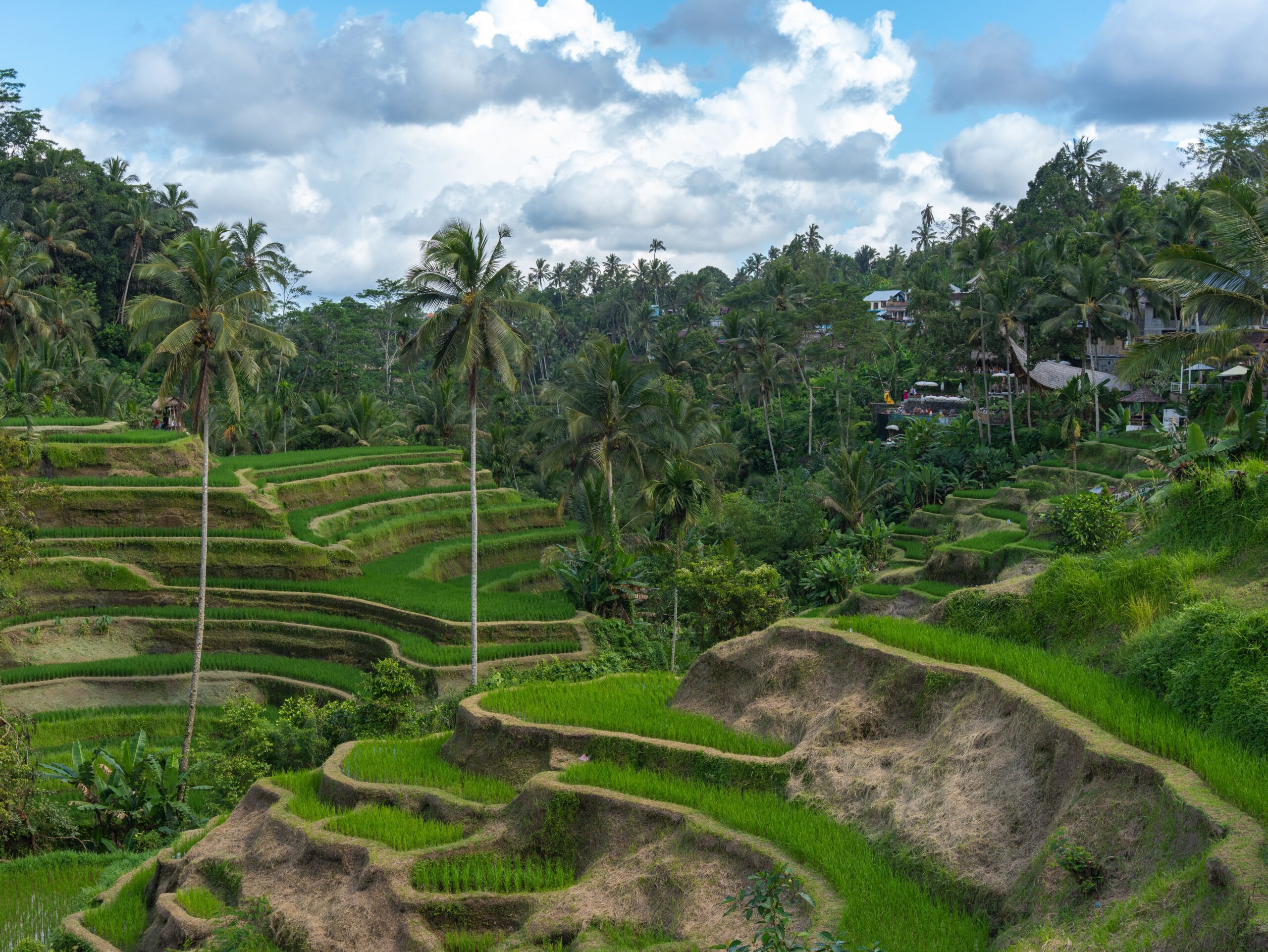
Set your alarm early and head fifteen kilometers north to the iconic Tegalalang Rice Terrace. Aim to arrive by 7:00 AM. Arriving this early means you beat the massive tour buses, escape the heat, and enjoy the sun rising over the layered rice paddies in relative peace.
Take time to walk deep down into the valley and climb up the opposite side for panoramic views. Local farming families maintain these trails and footbridges, so keep small cash notes (10,000 to 20,000 IDR) in your pocket for small donation boxes along the path.
📍 Why this order works: Driving to Tegalalang first gets you there before the heat. From there, it is a quick 15-minute drive east to Tirta Empul, avoiding unnecessary driving back through central town traffic.
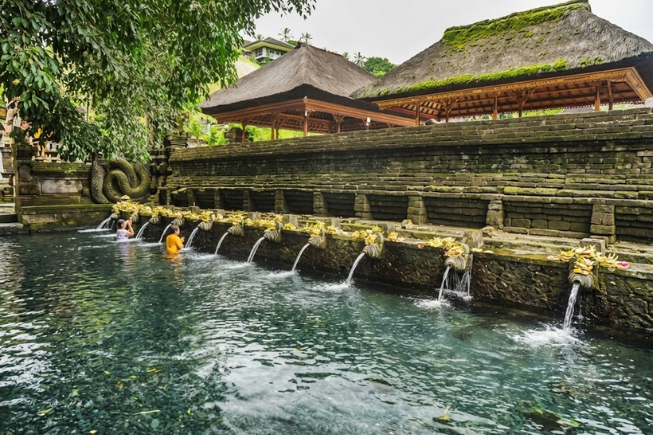
After exploring the paddies, drive east to Pura Tirta Empul, an ancient Hindu water temple founded in 962 AD. The temple is famous for its natural spring pool where worshipers participate in Melukat—a traditional water purification ritual.
To enter the temple, you must wear a sarong (included with your ticket). If you choose to enter the holy water pools for the ritual, rent a green ceremonial sarong at the pool entrance, line up respectfully, and follow local guidelines.
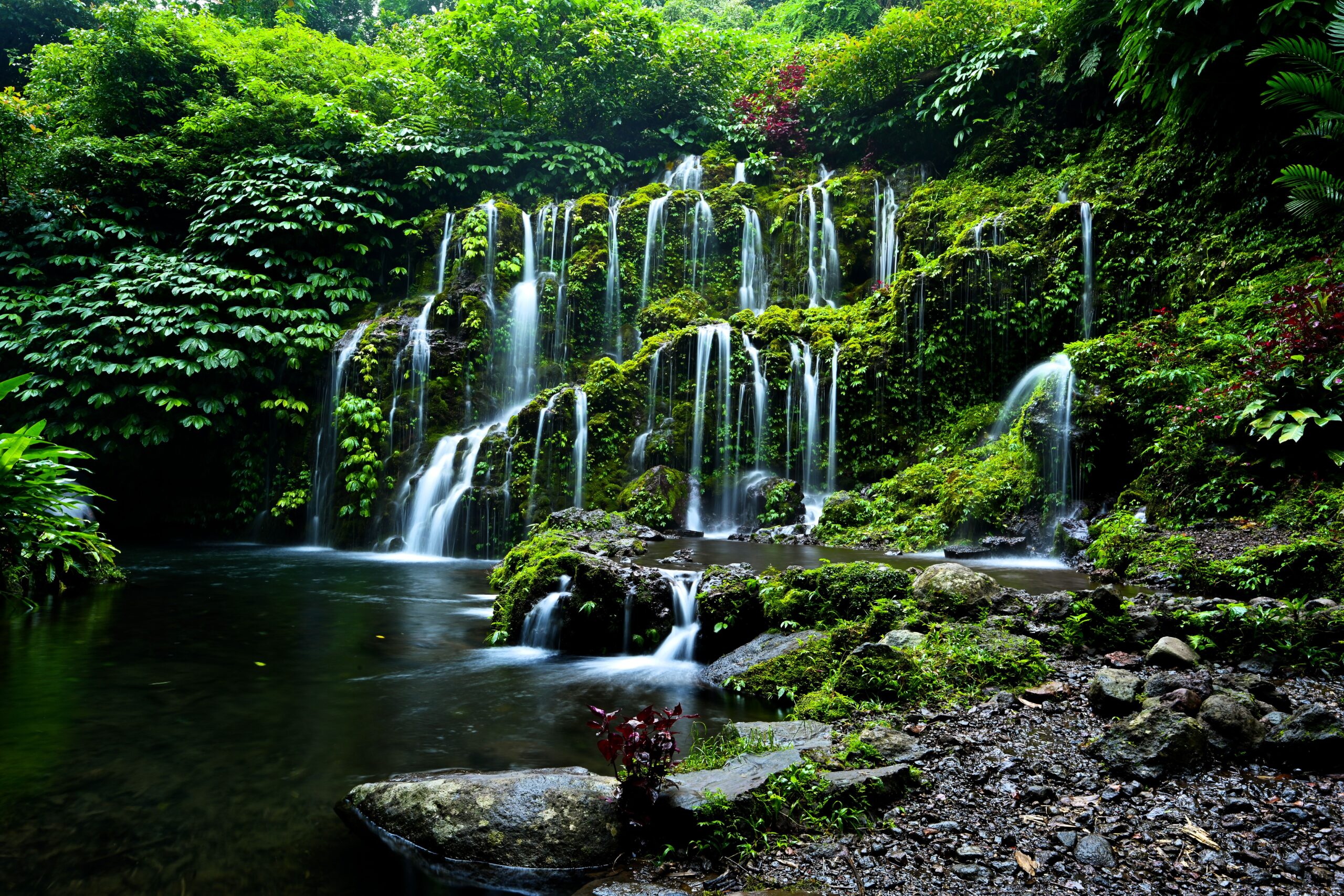
Afternoon: Hidden Waterfallsof Gianyar (Tibumana & Kanto Lampo)
From Tirta Empul, drive south into the lush Gianyar region to visit two distinct waterfalls.
Start at Tibumana Waterfall, a picturesque single-stream waterfall falling into a wide, quiet swimming pool surrounded by jungle ferns. The walk down from the parking area is gentle and well-maintained.
Next, make the short drive to Kanto Lampo Waterfall. Unlike vertical drop cascades, Kanto Lampo flows down a tiered wall of dark stone into a shallow riverbed. You can wade into the river and sit on the smooth rocks directly under the water. Local guides stand in the river to help you balance on slippery rocks and take photos for a small tip.
Evening: Traditional Legong Dance Performance at Ubud Palace
Return to town to refresh before heading to Ubud Palace at 7:00 PM for a traditional Balinese dance show.
Accompanied by a live Gamelan percussion orchestra, performers in detailed gold costumes execute precise eye movements and finger gestures to tell stories from Hindu epics. Tickets cost around 100,000 IDR ($6.50 USD) at the entrance gate, and proceeds directly support local arts preservation.
Day 3: Wellness, Cafés & Hidden Gems
Morning: Sacred Monkey Forest Sanctuary
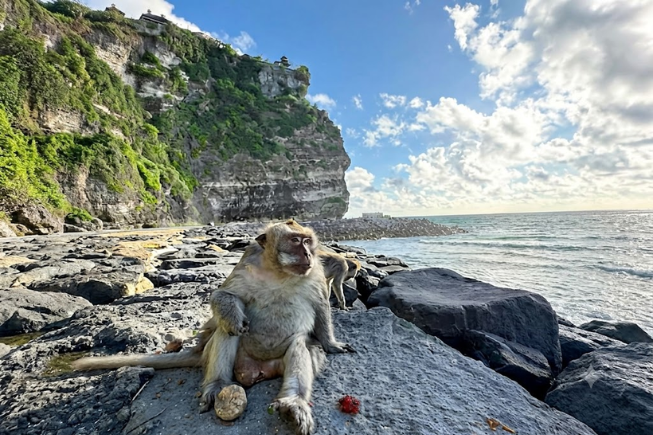
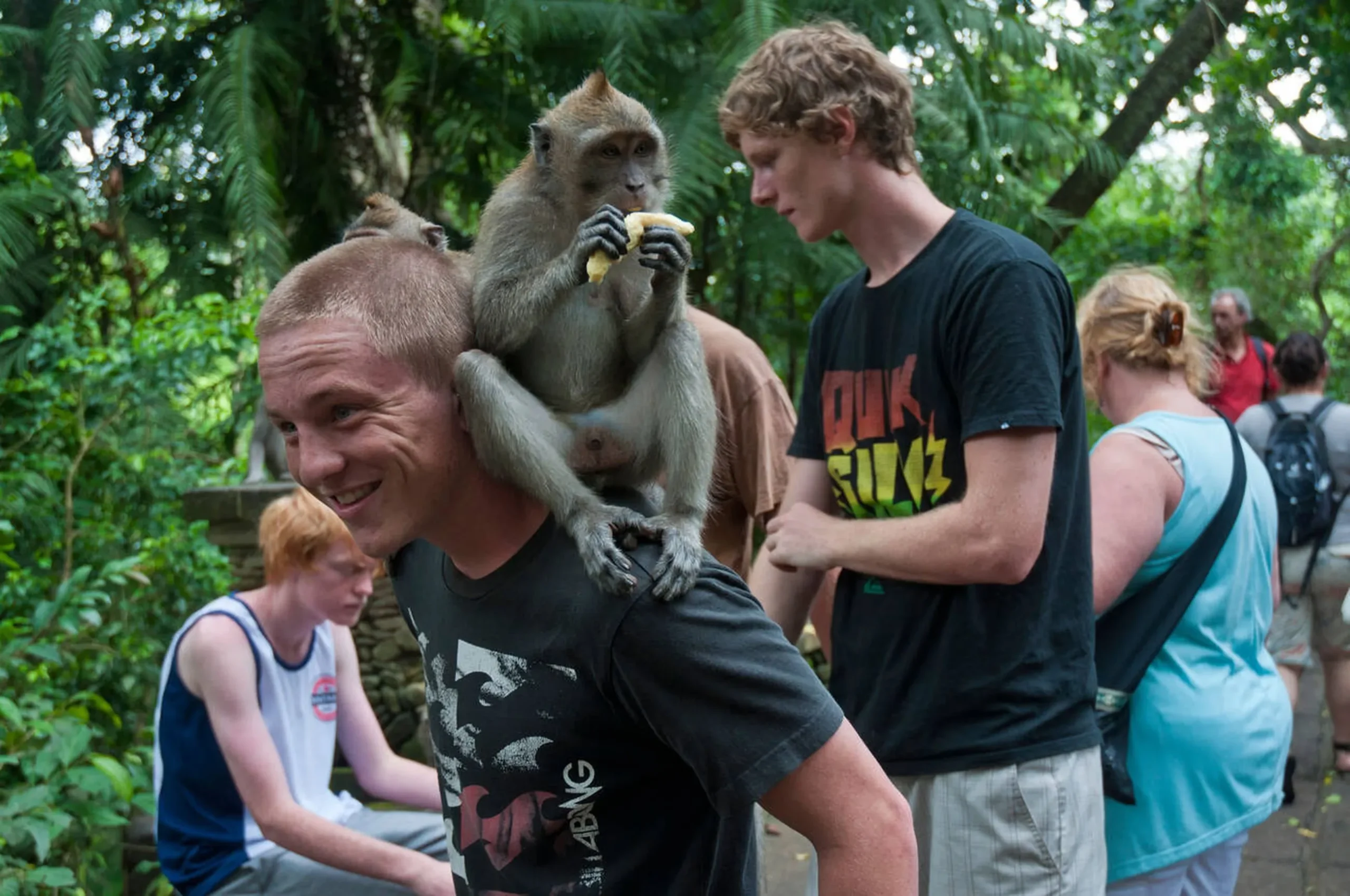
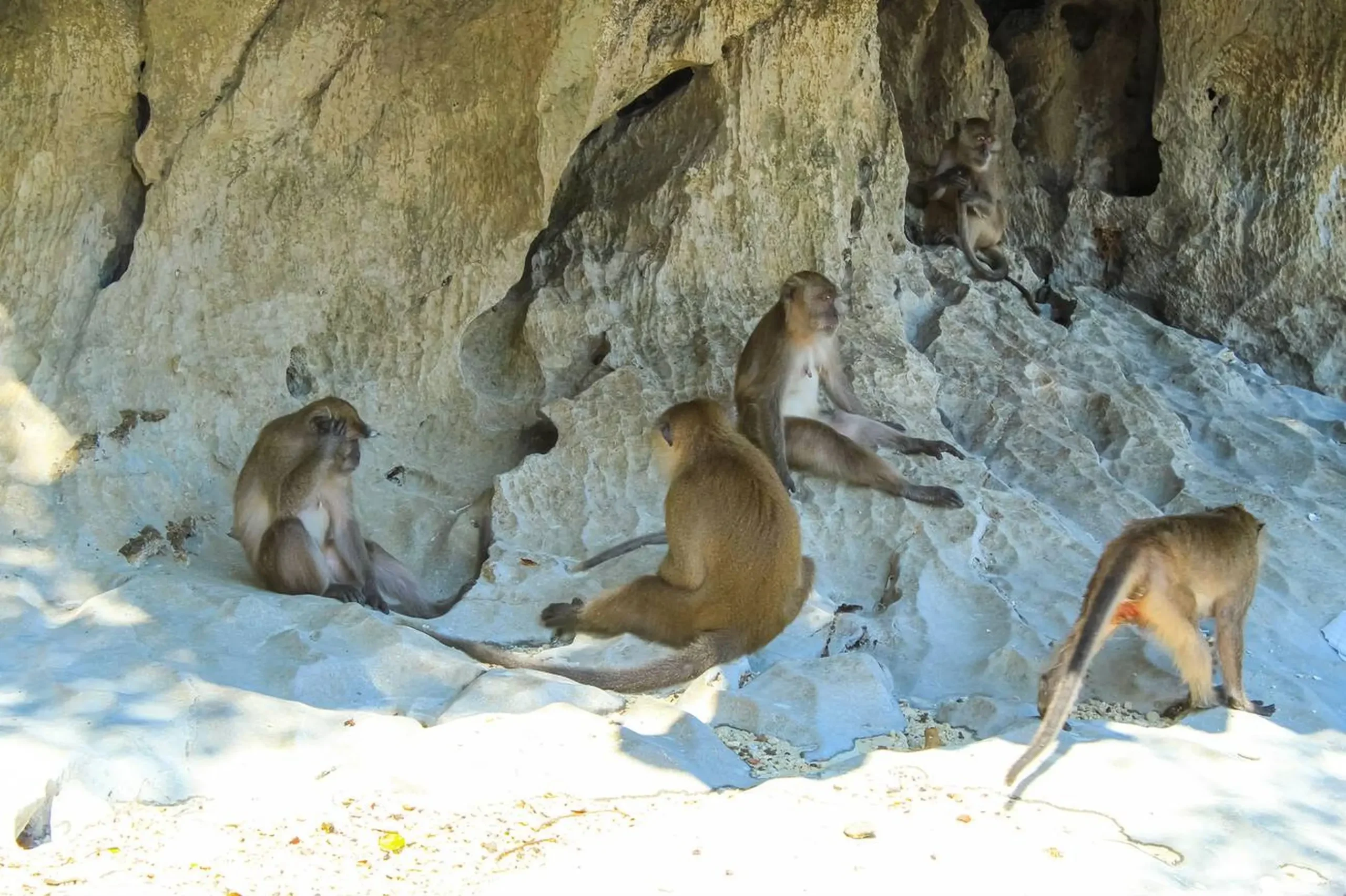
Begin your third morning at the Sacred Monkey Forest Sanctuary, located at the southern end of Monkey Forest Road. This 12-hectare jungle reserve is home to hundreds of long-tailed Balinese macaques and three 14th-century temples hidden under massive banyan trees.
Arriving at 8:30 AM when the gates open ensures a quiet experience before large groups arrive. While the monkeys are habituated to humans, they are still wild animals. Secure all loose belongings like sunglasses, water bottles, and phones inside a zipped backpack before entering. Avoid eye contact with large males, do not reach into your pockets, and never feed them.
For broader safety insights when exploring attractions around the island, read our complete guide on the best things to do in Bali.
Afternoon: Yoga Session & Ethical Coffee Tasting
After visiting the monkey forest, spend the early afternoon enjoying Ubud’s world-famous wellness culture. Book a drop-in yoga session at an open-air pavilion like The Yoga Barn or Radiantly Alive, where classes cater to absolute beginners and experienced practitioners alike.
After yoga, stop by a local coffee estate in the nearby hills for a coffee tasting session. Bali produces exceptional Arabica and Robusta coffee, alongside herbal infusion teas made from ginger, lemongrass, and turmeric.
⚠️ Ethical Travel Warning: Many plantations promote “Kopi Luwak” (civet coffee). Be a responsible traveler and skip establishments that keep wild civets in small wire cages for tourist display. Stick to traditional wood-roasted Balinese coffee and organic herbal teas instead.
If you plan to continue your journey down to the coast after your time in Ubud, explore our guides to the best beaches in Bali or find out where to catch surf lessons in our guide to the best Bali beaches for water sports.
Evening: Farewell Dinner & Craft Cocktails
Conclude your 3 days in Ubud with a memorable final dinner. Ubud boasts some of Southeast Asia’s finest dining establishments, where local tropical ingredients are transformed into innovative tasting menus.
Alternatively, visit a cozy neighborhood warung for a final hot plate of Mie Goreng (fried noodles) paired with a cold Bintang beer, enjoying the laid-back evening atmosphere one last time.
If you are planning an extended trip across the island, check out our full Bali itinerary for 7 days to connect your stay in Ubud with the southern beaches and neighboring islands.
How Much Does 3 Days in Ubud Cost?
Ubud accommodates almost any travel budget comfortably. Here is an itemized estimation of total costs per person for a 3-day stay:
| Budget Level | Accommodation (3 Nights) | Food & Drinks | Transport | Entry Fees & Activities | Total Estimated Cost |
| Budget | $45 – $90 (Guesthouse) | $30 – $45 (Warungs) | $18 – $27 (Scooter) | $20 – $30 (Self-guided) | $113 – $192 USD |
| Mid-Range | $180 – $360 (Hotel / Villa) | $90 – $150 (Cafes & Warungs) | $105 – $150 (Private Driver) | $50 – $85 (Tours & Shows) | $425 – $745 USD |
| Luxury | $750 – $1,800+ (5-Star Resort) | $250 – $500+ (Fine Dining) | $150 – $250 (Private Luxury Car) | $120 – $250 (Spas & Tours) | $1,270 – $2,800+ USD |
Daily Expense Breakdown
- Accommodation: Budget guesthouses cost $15–$30/night; mid-range hotels with pools cost $60–$120/night; luxury jungle resorts start at $250+/night.
- Meals: Local warung meals cost $2–$4 USD. Sit-down meals at Western-style cafes cost $7–$14 USD per dish.
- Entry Fees: Tegalalang Rice Terrace ($2 USD), Sacred Monkey Forest ($6 USD), Tirta Empul ($3.50 USD), Waterfalls ($1.50–$3 USD each).
- Transport: Scooter rental runs $6–$9/day; private day drivers cost $35–$50/day.
Practical Tips to Avoid Common Mistakes in Ubud
Beat the Traffic
Central Ubud experiences heavy traffic bottlenecks between 12:00 PM and 6:00 PM, particularly along Monkey Forest Road and Raya Ubud Road. Schedule out-of-town trips (rice terraces and waterfalls) early in the morning so you are back in town before peak traffic builds up.
Temple Etiquette
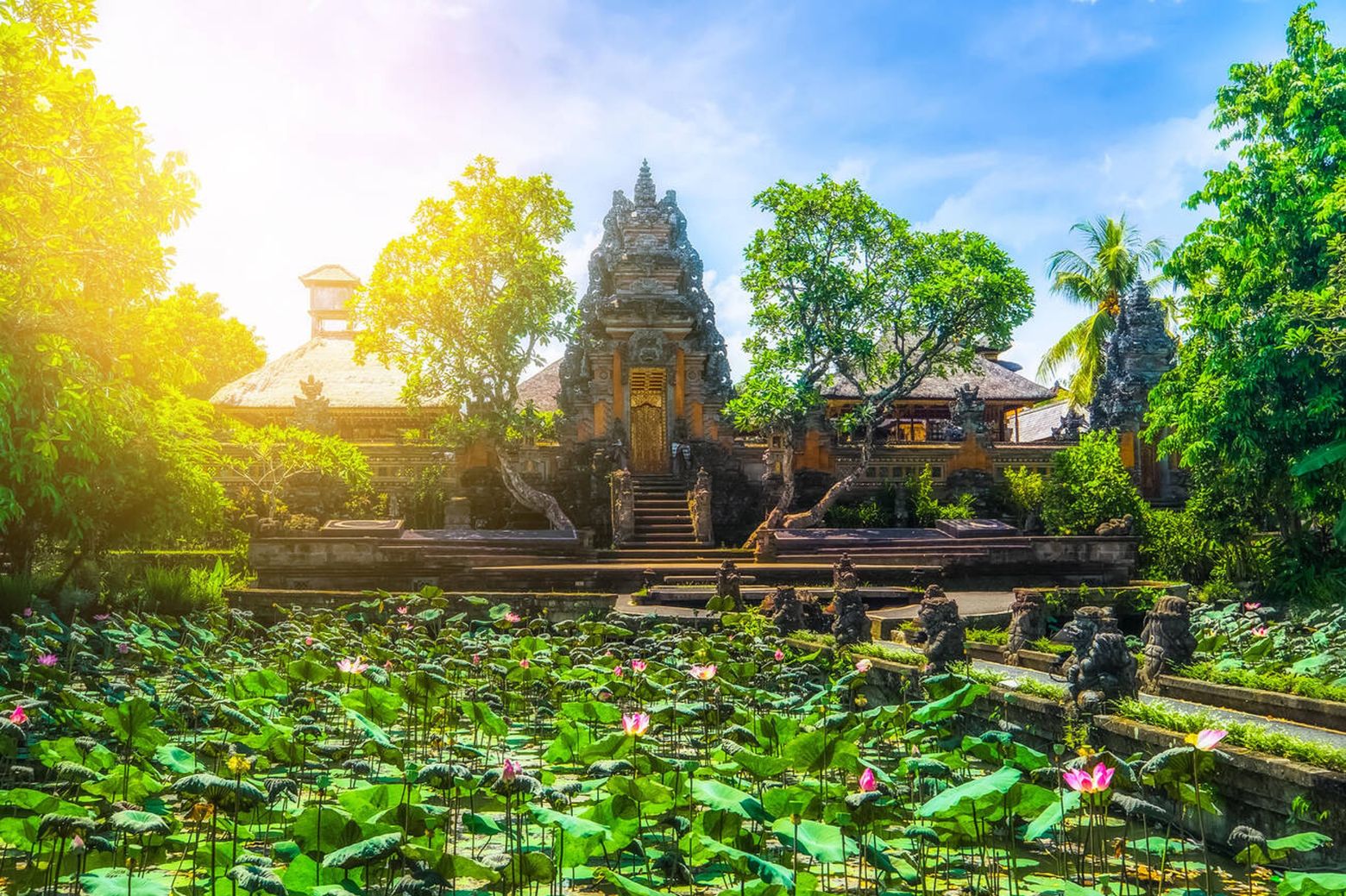
Every temple requires visitors to cover their shoulders and knees. Carry a lightweight sarong in your daypack, or use the sarongs provided at entrance gates. Never step directly on small palm-leaf offering baskets (Canang Sari) placed on sidewalks and stairways.
Avoid Common Tourist Traps
Be cautious of roadside “free” coffee plantation tours that aggressive street hawkers push. Many are high-pressure sales pitches for caged civet coffee. Stick to well-reviewed coffee estates or local specialty cafes in town.
Cash vs. Card Usage
While major hotels, upscale restaurants, and spa centers accept credit cards, local warungs, market stalls, entry kiosks, and drivers operate strictly in cash (Indonesian Rupiah – IDR). Always carry small bills (10,000, 20,000, and 50,000 IDR) for daily purchases.
What to Pack
Pack lightweight, breathable cotton or linen clothing, comfortable walking shoes with good grip for muddy waterfall steps, a reusable water bottle, reef-safe sunscreen, and high-strength insect repellent for jungle evenings.
Final Thoughts: Is Ubud Worth Visiting?
Ubud remains one of Southeast Asia’s most captivating travel destinations. Beyond its busy main streets lies a town rich in spiritual tradition, artistic heritage, and stunning natural landscapes.
By following this 3 days in Ubud itinerary, you will avoid major traffic delays, skip tourist traps, and experience the best of Bali’s cultural heart at a relaxed, rewarding pace. Give yourself time to slow down, explore quiet side streets, and enjoy the unique charm of the island’s jungle capital.
Frequently Asked Questions
Is 3 days enough in Ubud?
Yes, three days is enough to see Ubud’s top attractions—including rice terraces, monkey forests, ancient temples, and waterfalls—without rushing your schedule.
Can you walk around Ubud easily?
Central Ubud is walkable along main streets like Hanoman and Monkey Forest Road, though sidewalks can be uneven. Visiting sites outside the town center requires a scooter, taxi, or private driver.
How much money do I need for 3 days in Ubud?
Budget travelers can manage on $120–$180 USD for three days. Mid-range travelers should plan for $400–$700 USD to cover comfortable hotels, cafe dining, private drivers, and paid activities.
Should I rent a scooter in Ubud?
Rent a scooter only if you have solid riding experience, an international driver’s permit, and proper travel insurance. Steep hills and heavy traffic make it risky for beginners.
Is Ubud worth visiting in the rainy season?
Yes, Ubud remains beautiful during the rainy season (November to March). Rain showers usually occur in short afternoon bursts, leaving mornings clear for sightseeing.
Where should I stay in Ubud for the first time?
Central Ubud is best for first-time visitors who want to walk to shops and cafes. Sayan and Penestanan are ideal for travelers seeking quiet jungle views.
Is Ubud safe for solo travelers?
Ubud is exceptionally safe for solo travelers, including solo female travelers. Petty crime rates are low, and locals are welcoming and helpful.
What is the best month to visit Ubud?
May, June, and September are ideal months to visit. You will enjoy clear dry-season weather with smaller crowds and reasonable hotel rates.
How many waterfalls can I realistically visit in one day?
You can comfortably visit two waterfalls in a day (such as Tibumana and Kanto Lampo) without spending your entire day driving.
Should I stay in Central Ubud or Tegalalang?
Stay in Central Ubud if you value walking to restaurants and cafes at night. Stay in Tegalalang if you prefer quiet morning views over rice fields and do not mind driving into town.