Madeira Travel Guide 2027: A Complete Guide to Exploring Portugal’s Beautiful Island
There are places you visit for a holiday, and then there are places that make you wish you had booked a few extra days. Madeira is very much the second kind. Planning your trip becomes easier with this Madeira travel guide.
Some mornings begin with clouds drifting between enormous green mountains. By lunchtime, you might be walking through a traditional fishing village or enjoying fresh seafood beside the Atlantic. Later, you could find yourself swimming in a natural volcanic pool or watching the sun disappear behind the island’s rugged coastline.
Located in the Atlantic Ocean, Madeira is an autonomous region of Portugal with a character that feels quite different from mainland Europe. Its landscapes are dramatic, its villages are full of charm, and the weather is generally mild enough to make outdoor exploration possible throughout the year.
But Madeira isn’t just about beautiful views. There are historic streets to explore, mountain trails to discover, local dishes worth travelling for, and quiet corners that are easy to miss if you only follow the most popular tourist routes.
If you’re planning a visit in 2027, this guide will help you make the most of your time. From choosing the right area to stay in to planning a five-day itinerary, here’s what you should know before travelling to Madeira.
Table of Contents
- Where Is Madeira?
- Why Visit Madeira?
- Best Time to Visit Madeira
- How Many Days Do You Need?
- 15 Best Things to Do in Madeira
- A Practical 5-Day Madeira Itinerary
- Where to Stay in Madeira
- Getting Around the Island
- Traditional Food You Should Try
- How Much Does a Madeira Trip Cost?
- Useful Travel Tips for 2027
- Frequently Asked Questions
- Final Thoughts
Where Is Madeira?
Madeira is a Portuguese archipelago in the Atlantic Ocean, southwest of mainland Portugal. Although it is geographically closer to northwest Africa, it belongs to Portugal and is part of the European Union.
The main island is also called Madeira. It is where most visitors spend their time, with Funchal serving as the capital and the main centre for hotels, restaurants, shopping, and transport.
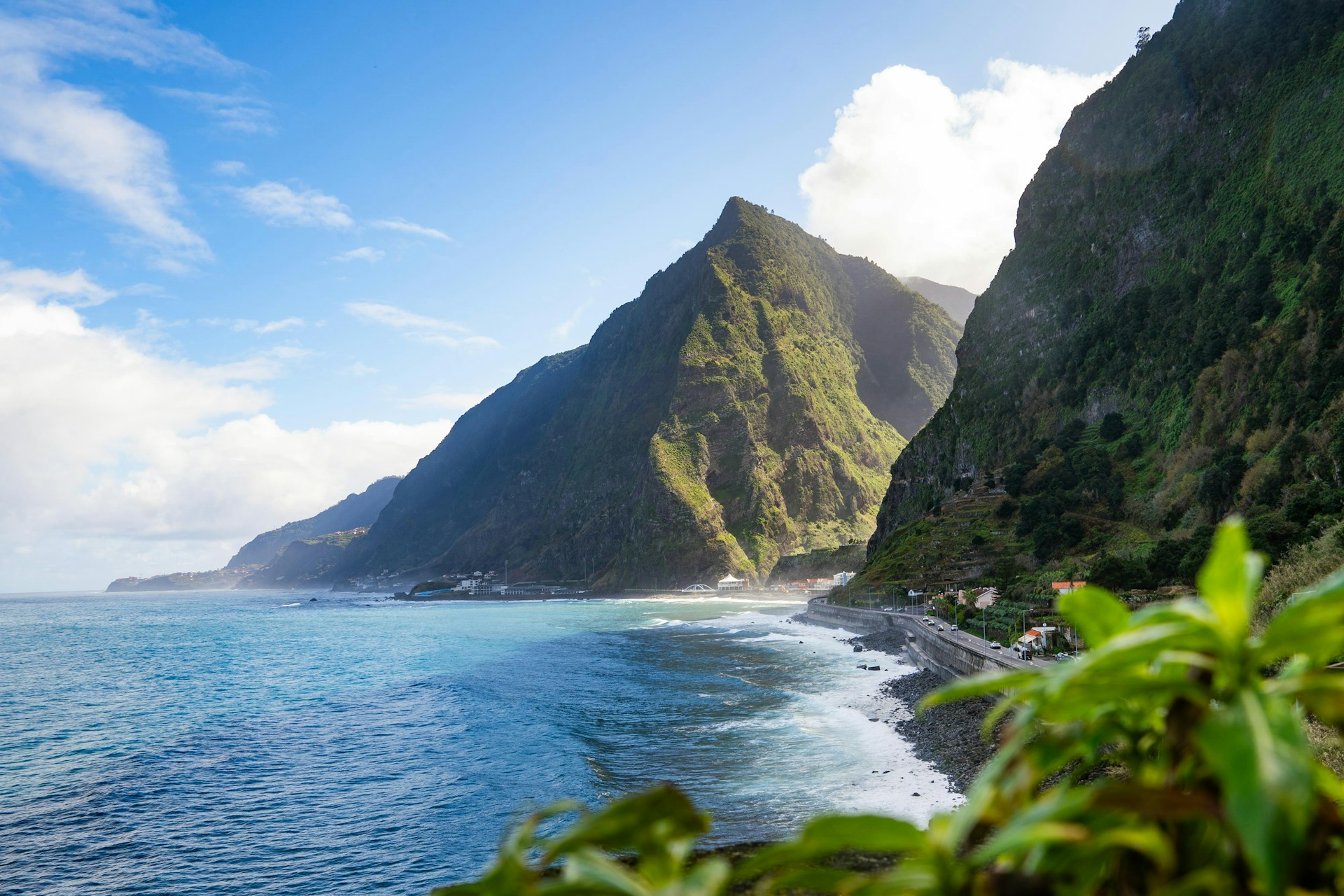
The island is relatively small, but its landscape changes dramatically as you travel around. The southern coast has sunny seaside towns and sheltered beaches, while the interior is dominated by mountains, deep valleys, and thick forests. On the northern side, steep cliffs and powerful ocean waves create some of the most impressive coastal scenery in the region.
Madeira is also famous for its levadas .This Madeira travel guide covers the island’s most popular attractions.
These are traditional irrigation channels built to carry water across the island. Today, many of the paths alongside them are used as walking trails, taking visitors through forests, valleys, and beautiful countryside.
The neighbouring island of Porto Santo is another option for travellers with extra time. It is particularly well known for its long sandy beach, offering a different experience from Madeira’s generally rocky coastline.

Madeira Travel Guide: Essential Things to Know
Madeira appeals to different kinds of travellers, which is one reason it has become such an interesting European holiday destination. Use this Madeira travel guide to plan your itinerary.
You don’t have to be an experienced hiker to enjoy it, and you don’t need to spend every day on a beach to have a relaxing holiday. The island offers a little of everything.
Landscapes That Change Around Every Corner
One of the most memorable things about Madeira is how quickly the scenery changes.
You can leave the coast and drive into the mountains, where the air feels cooler and the landscape becomes covered in green vegetation. A little further along, you might reach a viewpoint overlooking a deep valley or a stretch of dramatic coastline.
Places such as Pico do Arieiro, Fanal Forest, and Ponta de São Lourenço show just how different the island can look from one area to another.
Walking Routes for Every Kind of Traveller
Madeira has an excellent selection of walking routes. Some are relatively short and suitable for casual visitors, while others involve longer distances, steep sections, and more challenging terrain.
The levada walks are particularly popular because they offer a chance to explore parts of the island that are difficult to appreciate from the road.
You don’t need to be an expert hiker to enjoy Madeira, but choosing a trail that matches your fitness level is important.
A Relaxed Island Atmosphere
Despite its popularity, Madeira still has plenty of places where life moves at a slower pace.
Small cafés, traditional restaurants, fishing villages, local markets, and quiet coastal viewpoints make it easy to enjoy a day without following a strict schedule.
For travellers who prefer exploring rather than rushing between attractions, that is a big part of the island’s appeal.
Madeira Travel Guide: A 5-Day Itinerary
Madeira’s mild climate makes it an appealing destination in different seasons. While the weather varies throughout the year, the island doesn’t experience the same extreme seasonal changes as many mainland European destinations.
You can visit for spring flowers, summer sunshine, autumn scenery, or a winter escape from colder weather.
Best Time to Visit Madeira
There isn’t one perfect month for everyone. The best time to visit depends on what you want to do and the kind of holiday you’re planning.
Spring: March to May
Spring is one of the most attractive times to explore Madeira.
The countryside becomes especially green, flowers appear throughout the island, and the gardens around Funchal are particularly beautiful. It’s also a pleasant season for walking and sightseeing.
May is associated with Madeira’s Flower Festival, when the capital celebrates the island’s floral traditions with colourful displays and events. If you want to attend the 2027 celebrations, check the official programme before booking.
Spring is a good choice if you enjoy photography, gardens, and outdoor activities.
Summer: June to August
Summer is a popular time for visitors who want sunshine, swimming, and coastal activities.
The days are generally warm, making it a good season to visit Porto Moniz, enjoy the seaside towns, or spend time around the island’s natural swimming areas.
It’s also a busy travel period. Accommodation in popular locations can become more expensive, so booking ahead is sensible.
Autumn: September to November
Autumn offers a slightly different atmosphere.
The weather is often still pleasant, the ocean remains inviting, and the island’s landscapes continue to look beautiful. September is also associated with the grape harvest and Madeira’s wine traditions.
For travellers who prefer sightseeing without the busiest summer crowds, early autumn is worth considering.
Winter: December to February
Madeira is a popular choice for people looking for a milder winter holiday.
Funchal becomes particularly festive around Christmas and New Year. Its New Year’s Eve celebrations are well known, although event details and arrangements should be checked closer to the date.
Winter can bring more rain and cooler mountain conditions, so it’s worth keeping your itinerary flexible.
So, when should you go?
For a first visit, consider April, May, September, or October. These months can offer a good balance of sightseeing opportunities, outdoor activities, and generally comfortable conditions. However, Madeira has something to offer in every season.
Visit Madeira – Official Tourism Website
How Many Days Do You Need in Madeira?
Madeira might look small on a map, but travelling around the island can take longer than expected because of its mountainous terrain and winding roads.
A two-day visit is enough to see a few highlights, but it won’t give you much time to explore beyond the capital.
For a more complete experience, five to seven days is a better starting point.
Here’s a rough idea of what you can cover:
- 2–3 days: Explore Funchal, visit Monte, and see a nearby coastal viewpoint.
- 4–5 days: Add mountain scenery, Porto Moniz, traditional villages, and the eastern coastline.
- 6–7 days: Enjoy a more relaxed itinerary with hiking, forest walks, and additional villages.
- 8–10 days: Explore the island at a slower pace and consider a trip to Porto Santo.
If this is your first visit, I’d recommend spending at least five days on the main island.
15 Best Things to Do in Madeira
There is no shortage of places to explore in Madeira. Some attractions are famous for their views, others for their history, and a few are simply wonderful places to slow down and enjoy the surroundings.
These are 15 experiences worth adding to your plans.
1. Explore the Old Town of Funchal
Funchal is a natural starting point for any Madeira holiday.
The capital has a lovely mix of historic streets, traditional buildings, waterfront restaurants, and small shops. You can spend hours walking around without needing a detailed plan.
The Old Town, known as Zona Velha, is particularly enjoyable. Its narrow streets are lined with restaurants and colourful painted doors, creating a lively atmosphere in the evenings.
Make time for Mercado dos Lavradores too. This traditional market is known for its flowers, tropical fruit, fish, and local products.
It’s a good place to get a feel for everyday life in Madeira, although prices at tourist-facing stalls can be higher than elsewhere.
2. Watch the Sunrise at Pico do Arieiro
If there’s one mountain viewpoint that deserves an early start, it’s Pico do Arieiro.
Standing at approximately 1,818 metres above sea level, it offers spectacular views over Madeira’s mountainous interior.
On clear mornings, the peaks rise above a sea of clouds, creating a landscape that almost looks unreal.
Sunrise is a popular time to visit, but it isn’t guaranteed to be clear. Mountain weather can change quickly, so check the forecast before setting off.
If you are considering a mountain hike, check the current trail access rules and conditions rather than assuming every route is open.
3. Swim in the Natural Pools of Porto Moniz
Porto Moniz is one of the island’s most recognisable coastal destinations.
Its natural volcanic pools were formed by lava flows and are filled with seawater. The result is a series of swimming areas surrounded by dark volcanic rock and the Atlantic Ocean.
It’s a lovely place to spend an afternoon, particularly on a warm day.
There are different bathing areas, so check opening arrangements, safety notices, and sea conditions before entering the water.
Even if you don’t plan to swim, the coastal scenery makes Porto Moniz worth visiting.
4. Visit Monte Palace Tropical Garden
High above Funchal, Monte Palace Tropical Garden is a peaceful escape filled with exotic plants, ponds, sculptures, and beautifully maintained pathways.
The garden is a good choice if you want a break from driving and sightseeing.
Allow enough time to explore rather than rushing through it. There are several different areas, and part of the enjoyment comes from discovering the small details along the way.
The views over Funchal are another reason to visit.
5. Try the Traditional Monte Toboggan Ride
One of Madeira’s most unusual attractions is the traditional wicker toboggan ride.
The experience begins in Monte, where visitors sit in a large wicker basket guided downhill by two trained drivers wearing traditional clothing.
It may sound unusual, but it has been part of Madeira’s tourism history for generations.
The ride is memorable, although you should check the current route, operating hours, and prices before visiting. It also finishes before reaching central Funchal, so you’ll need to arrange the rest of your journey.
6. Walk Across the Cabo Girão Skywalk
Cabo Girão is famous for its enormous sea cliff and glass-floored viewing platform.
Standing on the skywalk gives you a dramatic view down towards the coastline and the Atlantic below.
For visitors who enjoy viewpoints and photography, it’s a worthwhile stop.
If you’re uncomfortable with heights, you may find the glass floor a little intimidating, but the surrounding scenery is impressive even from the viewing area.
7. Discover the Traditional Houses of Santana
Santana is best known for its traditional triangular houses with colourful doors and thatched roofs.
These buildings are closely associated with Madeira’s architectural heritage and are one of the island’s most recognisable sights.
The village is a good addition to an eastern Madeira road trip. You can explore the traditional houses, enjoy a local meal, and continue towards nearby mountain and coastal viewpoints.
8. Explore Ponta de São Lourenço
The eastern peninsula of Madeira looks completely different from the island’s greener interior.
Ponta de São Lourenço is known for its rugged volcanic formations, dramatic cliffs, and open Atlantic views.
The walking route through the area is popular with hikers and photographers. Unlike the forest trails elsewhere on the island, the scenery here is more exposed, with little shade along much of the route.
Take water, wear suitable footwear, and avoid walking in unsuitable weather.
Before visiting, check the official trail status and any advance reservation requirements.
9. Spend Time in Câmara de Lobos
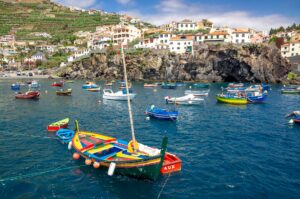
Câmara de Lobos is a traditional fishing town just west of Funchal.
Its harbour is filled with colourful fishing boats, and the surrounding streets are lined with restaurants and cafés.
It’s an easy place to enjoy a slower afternoon. You can walk along the waterfront, try a local drink, and watch the fishing boats return.
The town is also closely associated with poncha, one of Madeira’s best-known traditional drinks.
10. Walk the Levada das 25 Fontes
If you’re interested in Madeira’s famous levada walks, Levada das 25 Fontes is one of the routes to consider.
Located in the Rabaçal area, the walk takes visitors through beautiful green scenery towards a lagoon surrounded by small waterfalls.
The landscape is very different from the open coastal areas, with vegetation and forest creating a cooler atmosphere.
The route involves walking, uneven surfaces, and some changes in elevation. Check its current difficulty, access arrangements, and weather conditions before deciding whether it’s right for you.
11. Discover the Atmosphere of Fanal Forest
Fanal Forest is one of Madeira’s most atmospheric natural areas.
The ancient laurel trees are particularly striking when mist moves through the landscape. On foggy days, the forest can feel almost otherworldly.
It’s also a wonderful location for photography.
The weather here can be quite different from the conditions along the coast, so don’t be surprised if you arrive to find clouds and cooler temperatures.
12. Enjoy the View from Eira do Serrado
Miradouro da Eira do Serrado offers one of the most impressive views over Madeira’s mountainous interior.
From the viewpoint, you can look down towards Curral das Freiras, a small village surrounded by steep mountain slopes.
The scenery is especially beautiful when the clouds move through the valleys.
It’s an excellent stop for anyone exploring central Madeira.
13. Take a Trip to Porto Santo
If you have more than a week in the region, consider adding Porto Santo to your holiday.
The island is part of the Madeira archipelago but offers a different atmosphere from the main island.
Its long sandy beach is the main attraction, making it a popular destination for visitors who want a more traditional beach holiday.
Ferry services connect Madeira and Porto Santo, although schedules and journey times vary. Check the latest timetable before planning a day trip.
14. Experience Madeira Through Its Food
One of the easiest ways to understand a destination is through its food.
Madeira has a distinctive culinary identity, with fresh seafood, traditional meat dishes, local bread, and regional desserts.
Rather than eating in the same type of restaurant every evening, try a few different local places during your stay.
A meal in a traditional restaurant can become one of the most memorable parts of the trip.
15. Find a Quiet Spot to Watch the Sunset
Not every memorable travel experience needs an entrance ticket or a carefully planned activity.
Sometimes the best thing to do is find a quiet coastal viewpoint and watch the sun set over the Atlantic.
Ponta do Sol and the coastline around Câmara de Lobos are among the places worth considering.
Bring a camera if you like photography, but don’t spend the entire evening looking through a screen. Enjoy the view.
A Practical 5-Day Madeira Itinerary
If you have five days on the island, you can experience a good mix of Madeira’s most famous attractions without spending every minute travelling.
This itinerary is designed for first-time visitors. You can change the order depending on the weather, accommodation location, and transport arrangements.
Day 1: Funchal, Monte and the Old Town
Start with the capital.
Spend the morning walking through Funchal’s Old Town, visiting the market, and exploring the waterfront.
Stop for lunch at a local restaurant before heading uphill towards Monte Palace Tropical Garden.
If you’re interested in the traditional toboggan ride, this is a good day to experience it.
Return to Funchal in the evening and enjoy dinner in the Old Town.
The main idea: Keep your first day relatively relaxed. You’ll have plenty of time to explore the island over the following days.
Day 2: Pico do Arieiro, Ribeiro Frio and Santana
Set off early for Pico do Arieiro.
Spend some time enjoying the mountain scenery, taking photographs, and checking the conditions if you plan to walk.
Continue towards Ribeiro Frio, an area surrounded by green mountain landscapes.
Later, head towards Santana to see its traditional houses and explore the village.
This is a full day, so avoid adding too many extra stops.
Day 3: Câmara de Lobos, Cabo Girão and Porto Moniz
Begin in Câmara de Lobos, where you can enjoy the harbour and traditional atmosphere.
Next, visit Cabo Girão for its famous skywalk and coastal views.
Continue west towards Porto Moniz. The journey itself is part of the experience, with plenty of beautiful scenery along the way.
Spend the afternoon exploring the natural swimming pools if conditions allow.
Return to your accommodation after enjoying the coastal landscape.
Day 4: Ponta de São Lourenço and Machico
Head towards the eastern side of Madeira.
Spend the morning exploring Ponta de São Lourenço, either by walking part of the trail or enjoying the viewpoints, depending on your fitness and the current access conditions.
Later, continue to Machico.
It’s a pleasant coastal town where you can enjoy lunch, take a walk along the waterfront, and spend some time relaxing.
Return to Funchal in the evening.
Day 5: Fanal Forest and Rabaçal
Use your final day to discover Madeira’s greener interior.
Start with Fanal Forest, where the ancient laurel trees create a beautiful landscape.
If you have enough time and have checked the relevant access requirements, continue towards Rabaçal for a levada walk.
Levada das 25 Fontes is a popular choice, but make sure you understand the route and its physical requirements before setting out.
Finish your trip with a relaxed dinner and one last evening enjoying the island.
A note about this itinerary: Madeira’s mountain weather, trail access, and road conditions can change. If a planned hike or viewpoint is closed or unsafe, switch it with another activity rather than trying to follow the itinerary at all costs.
Where to Stay in Madeira
Choosing the right base can make your trip much easier.
Although Madeira is not a huge island, the roads are winding and some attractions take longer to reach than you might expect. Think about how you plan to travel before booking accommodation.
Funchal: Best for First-Time Visitors
Funchal is the most convenient base for many travellers.
You’ll find a wide range of accommodation, restaurants, cafés, shops, and tour operators. Public transport and organised excursions are also easier to arrange from the capital.
If you don’t plan to rent a car, Funchal is a particularly practical choice.
Câmara de Lobos: Best for a Traditional Coastal Atmosphere
Câmara de Lobos offers a more relaxed setting while remaining close to Funchal.
The harbour, colourful boats, and traditional restaurants give it a distinctive character.
It’s a good option for couples and travellers who enjoy smaller towns.
Calheta: Best for a Relaxing Holiday
Calheta is known for its marina and sandy beach.
It offers a quieter atmosphere than central Funchal and can be a good choice if you want to spend more time relaxing by the coast.
Ponta do Sol: Best for Scenic Surroundings
Ponta do Sol is a beautiful coastal area with a laid-back atmosphere.
It’s particularly appealing to visitors who enjoy sea views, quiet evenings, and a slower pace of travel.
Machico: Best for Exploring Eastern Madeira
Machico is a useful base for visitors who want to explore the eastern side of the island.
It offers a pleasant waterfront and convenient access to attractions such as Ponta de São Lourenço.
Before booking: Compare accommodation prices, parking arrangements, cancellation policies, and access to restaurants and transport. A beautiful hotel isn’t necessarily the most convenient option if it’s far from the places you want to visit.
Sicily Travel Guide: 2-Week Road Trip Itinerary
Getting Around Madeira
Transport is one of the most important things to consider when planning your holiday.
The best option depends on how independently you want to explore.
Renting a Car
A rental car gives you the greatest flexibility.
You can leave early for sunrise, stop at viewpoints whenever you like, and explore villages that aren’t particularly convenient to reach by bus.
However, driving in Madeira can be challenging in places. Some roads are steep, narrow, and winding, with sharp bends and significant changes in elevation.
If you’re not comfortable driving in mountainous areas, consider using organised tours instead.
Public Buses
Buses connect Funchal with several towns and communities across the island.
They can be a useful option for travellers who prefer not to drive, particularly when exploring larger settlements.
The main disadvantage is that some remote attractions and hiking starting points may not be convenient to reach by public transport.
Check current timetables and routes before planning your day.
Taxis and Ride-Hailing
Taxis and ride-hailing services can be convenient for shorter journeys, especially around Funchal.
They are also useful when you don’t want to deal with parking.
However, availability and pricing may vary depending on the location and time of day.
Organised Tours
Guided tours are a practical alternative for visitors who want to see several attractions without driving.
Many operators offer full-day trips covering mountain viewpoints, coastal villages, and natural attractions.
Compare the itinerary, group size, included stops, and cancellation policy before booking.
Which option is best?
For independent exploration, renting a car is usually the most flexible choice. If you prefer a relaxed holiday based around Funchal, a combination of public transport and guided tours may be enough.
Traditional Food You Should Try in Madeira
Food deserves a place in your Madeira itinerary.
The island has several traditional dishes and ingredients that you may not encounter in quite the same way elsewhere.
Here are some worth looking for.
Espetada
Espetada is a traditional Madeiran meat dish, usually prepared with chunks of seasoned beef cooked on a skewer.
It is often grilled over an open fire and served with local side dishes.
If you enjoy meat, this is one of the island’s classic meals to try.
Bolo do Caco
Bolo do caco is a traditional flatbread that is often served warm with garlic butter.
You’ll find it in restaurants and cafés throughout Madeira.
It’s simple, but it’s one of those foods that can easily become part of your daily holiday routine.
Black Scabbardfish
Black scabbardfish, known locally as espada, is a popular fish in Madeira.
It is often served with banana, creating a combination of savoury and sweet flavours.
You don’t have to be an adventurous eater to enjoy it, but it’s certainly worth trying if you like seafood.
Lapas
Lapas are limpets, a type of shellfish commonly found on Madeira’s menus.
They are often grilled with garlic, butter, and lemon.
If you enjoy seafood, order them as a starter and share them with the table.
Bolo de Mel
Bolo de mel is a traditional Madeiran honey cake made with ingredients such as honey, spices, and dried fruit.
It has a rich flavour and is particularly associated with the island’s festive traditions.
It’s also a good edible souvenir to take home.
Poncha
Poncha is one of Madeira’s best-known traditional drinks.
It is commonly made with sugar-cane spirit, honey, and citrus juice, although different variations are available.
You’ll find it in local bars and restaurants. It is alcoholic, so enjoy it responsibly.
How Much Does a Madeira Trip Cost?
Madeira can suit different travel budgets.
Some visitors stay in simple guesthouses, use public transport, and eat at local restaurants. Others prefer hotels with ocean views, rental cars, and organised excursions.
Your total cost will depend on the season, accommodation, transport, and activities.
The main expenses to plan for are:
- Flights to and from Madeira.
- Accommodation.
- Food and drinks.
- Rental car or public transport.
- Attraction tickets and guided excursions.
- Hiking access fees, where applicable.
- Travel insurance.
- Shopping and personal expenses.
Instead of relying on fixed prices that may change before 2027, compare current rates for your travel dates.
Ways to Keep Your Trip Affordable
A few simple decisions can make a noticeable difference to your budget.
Book accommodation early. Popular areas can become expensive during busy travel periods.
Compare different locations. Staying slightly outside central Funchal may offer better value, provided transport is convenient.
Use local restaurants. You don’t need to eat at expensive waterfront restaurants every day to enjoy good food.
Plan nearby attractions together. Grouping places by region helps reduce unnecessary driving.
Check transport options. A rental car is convenient, but it may not be worth the expense if you only plan to visit a few accessible areas.
Keep an eye on booking conditions. Flexible cancellation policies can be useful when your plans depend on weather or transport availability.
Useful Madeira Travel Tips for 2027
A little preparation can help you avoid common problems and enjoy your time on the island.
Check the Weather Before Visiting the Mountains
Madeira’s weather can change dramatically between the coast and the mountains.
You might enjoy sunshine in Funchal while the higher areas are covered in clouds, wind, or rain.
Check the forecast for the exact area you plan to visit, particularly before sunrise trips and hikes.
Understand the Hiking Reservation Rules
Madeira has introduced a reservation and access-fee system for its classified walking trails.
Rules, charges, and booking arrangements may change, so don’t assume that information from an older travel guide is still correct.
Before visiting in 2027, check the official Madeira hiking information for trail availability, reservations, fees, and access restrictions.
Official information: https://visitmadeira.com/en/what-to-do/nature-seekers/activities/hiking/
Pack for More Than One Type of Weather
Even during warmer months, mountain areas can be noticeably cooler than the coast.
It’s worth packing:
- Comfortable walking shoes.
- A lightweight waterproof jacket.
- A warm layer for mountain visits.
- Sunscreen and sunglasses.
- A reusable water bottle.
- A small day backpack.
Don’t Underestimate Driving Times
The island may look small, but its mountainous roads can make journeys slower than expected.
Allow enough time between attractions, especially when travelling across the island.
Avoid planning a packed schedule that depends on every journey going perfectly.
Book Popular Accommodation in Advance
If you’re visiting during summer, Christmas, New Year, or major local festivals, booking accommodation early can give you more choice.
Compare the location as well as the price. Being close to restaurants or transport can make a big difference.
Respect the Trails and Natural Environment
Stay on marked walking routes, follow local instructions, and avoid leaving litter behind.
Some of Madeira’s most beautiful landscapes are also environmentally sensitive areas. Responsible behaviour helps protect them for future visitors.
Keep Your Itinerary Flexible
One of the best things you can do in Madeira is leave a little room for changes.
If the mountains are covered in cloud, explore Funchal instead. If a hiking trail is closed, choose another attraction.
The island is beautiful in different ways, and a flexible plan will help you enjoy it without unnecessary stress.
Frequently Asked Questions About Madeira
Is Madeira worth visiting in 2027?
Absolutely. Madeira offers an appealing combination of mountain scenery, coastal villages, outdoor activities, traditional food, and mild weather. It is suitable for couples, families, solo travellers, and people who enjoy exploring nature.
How many days should I spend in Madeira?
Five to seven days is a good amount of time for a first visit. It allows you to explore Funchal, visit major viewpoints, enjoy the coastal scenery, and experience some of the island’s famous walking routes.
What is the best month to visit Madeira?
April, May, September, and October are excellent months to consider. However, Madeira can be visited throughout the year, depending on your preferred activities and weather conditions.
Do I need to rent a car in Madeira?
No. You can explore using buses, taxis, ride-hailing services, and organised tours. However, a rental car provides greater flexibility, particularly if you want to visit remote villages and viewpoints.
Is Madeira expensive?
Madeira offers accommodation and dining options for different budgets. The overall cost depends on the season, where you stay, and how you travel. Booking early and comparing prices can help keep expenses under control.
Can you swim in Madeira?
Yes. Madeira has natural volcanic pools, bathing areas, and beaches. Porto Moniz is particularly famous for its natural pools. Always check local safety notices and ocean conditions before swimming.
Is Madeira suitable for families?
Yes. Families can enjoy gardens, scenic viewpoints, traditional towns, boat trips, and coastal attractions. Choose walking routes and activities according to the ages and abilities of everyone travelling.
Are hiking trails in Madeira free?
Not all classified walking trails are free. Madeira introduced advance reservations and access fees for its classified routes. Check the official hiking portal for the latest 2027 rules and prices before setting out.
Is Madeira part of Portugal?
Yes. Madeira is an autonomous region of Portugal. Portuguese is the official language, and the euro is the local currency.
Is English spoken in Madeira?
Portuguese is the main language, but English is commonly used in many hotels, restaurants, tour companies, and other tourism-related businesses.
Is Madeira safe for tourists?
Madeira is generally a welcoming destination for visitors. As with any holiday, take normal precautions, follow local