26 Best Places to Visit in Egypt
Essential Travel Guide

Egypt is home to some of the world’s most famous sites and treasures. From the old Pyramids of Giza to the temples of Luxor, there’s so much to explore.
Egypt offers rich history, breathtaking scenery, and lively culture. Whether you’re interested in old wonders or stunning natural beauty, Egypt has something for everyone.
This guide covers 26 best places to visit in Egypt, including tips to make the most of your trip. Whether you’re going solo, with family, or on a group tour, you’ll find important information here.
To plan your trip hassle-free, use Skyscanner. I booked my flight, hotel, and car rental with them—offering cheap deals for a smooth travel experience.
Visitor Guidelines in Egypt (2026)
Rules can differ by site and can change during peak season. Some monuments now offer online tickets and entry controls to improve visitor flow. Keep your ticket with you while inside large sites. Follow posted rules for photos and restricted areas. Student pricing may require valid ID.
What’s New in Egypt for Travelers in 2026 (Top Priority)
Egypt is still one of the world’s top bucket list destinations in 2026. But travelers should plan a little smarter this year. Demand remains high in Cairo, Luxor, and the Red Sea during peak months. Tickets and entry rules can also change by season, especially at major sites. Some attractions now support online ticketing and timed entry options. This can help reduce queues and manage crowd flow.
A major update for culture lovers is the Grand Egyptian Museum (GEM) near the Giza plateau. It officially opened in November 2025. It is now a key stop for 2026 Egypt itineraries.
For entry planning, many travelers still use Egypt e-Visa or visa on arrival, depending on nationality. Rules can vary by passport, so it’s smart to confirm requirements close to your travel date.
Also, keep an eye on local disruptions in big cities. Strikes and short-term closures can happen. Check official updates before moving between regions
Cairo and Giza – The Heart of Ancient Egypt

The Great Pyramid of Giza
Visiting the Great Pyramid of Giza was one of the most memorable moments of my trip. Standing before this massive pyramid, I was in awe of the ancient Egyptians’ astounding feat of engineering, which dates back to roughly 2580 BC.
Pharaoh Khufu commissioned the pyramid during the Fourth Dynasty. It once stood at 146.6 meters (481 feet), making it the world’s largest man-made building for almost 3,800 years.
The Great Pyramid, a UNESCO World Heritage Site, continues to attract millions of tourists each year. It is regarded as one of the seven wonders of the ancient world.
Being able to wander about and even visit the pyramid’s interior chambers gave me a deep connection to Egypt’s ancient past. The shear accuracy of the limestone stones, as well as the immensity of the edifice, left me in awe of the architect who designed it.
The logistics and sheer volume of labor required to build the Great Pyramid were unprecedented in the ancient world. It demonstrates the advanced knowledge and organization of the ancient Egyptians.
Pro tip: Go early in the morning to avoid crowds and enjoy the tranquil splendor of this historic masterpiece.

The Great Sphinx of Giza
The most amazing building in Egypt is the Great Sphinx of Giza. I couldn’t say a word when I saw this huge figure for the first time because of its size and famous face.
The Sphinx was cut from a single block of rock around 2500 BC. It is thought to represent Pharaoh Khafre. It is 73 meters (240 feet) long and 20 meters (66 feet) high, and it is a great example of how well the Egyptians could build things.
As the sun rises behind the Sphinx, a soft golden light slowly shines on its face, making for a stunning sight. As I watched this beautiful moment, I felt very linked to the past, because the Sphinx has been watching over the pyramids for a very long time.
The Sphinx is more than just a figure; it’s a sign that God will watch over you. The fact that the Sphinx faces the rising sun adds to its mystical significance.
Tip for Photographers: Don’t miss the chance to take beautiful pictures of the Sphinx at dawn, when the light is just right to show how grand it is. The early morning light gives its old features a mysterious air.

Egyptian Museum (Cairo Antiquities Museum)
It felt like going back in time when I walked through the halls of the Egyptian Museum in Cairo. This museum, which opened in 1902 and is right in the middle of the busy capital, has more than 120,000 items that span more than 5,000 years of Egypt’s past.
Each exhibit tells you more about the interesting world of ancient Egypt. There is jewelry with complex designs, ancient papyrus scrolls, and, of course, King Tutankhamun’s famous golden mask.
The Egyptian Museum has some of the most valuable artifacts in the world. It shows how pharaohs and regular Egyptians lived. Anyone who wants to learn about how old Egyptian society changed over time should go there.
I spent hours in the museum, and the old artifacts kept me interested. Hiring an experienced guide made my experience so much better; they helped me find interesting facts and stories about each display that I might have missed otherwise.
Pro Tip: I suggest you book a guided walk to fully enjoy the museum’s huge collection. An insider can give you information that will make your trip even more enjoyable.
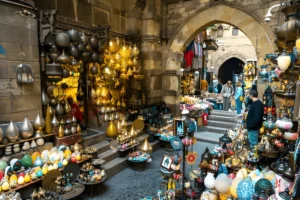
Khan-el-Khalili Bazaar
Exploring the Khan-el-Khalili Bazaar in Cairo was one of my most authentic experiences in Egypt. This busy market, which has been around since the 1400s, is one of the best places to get a real sense of Cairo’s culture. The bright colors, strong smells of spices, and noise of local sellers negotiating prices are too much to handle.
As I walked through Cairo’s maze of small streets, I came across one-of-a-kind handmade items like traditional carpets, brass lanterns, and silver jewelry made by hand. The market is a great trove of traditional Egyptian crafts. Each one tells a story about how Egyptian crafts have been made for hundreds of years.
I felt, Khan-el-Khalili is more than just a market; it’s also a cultural center where people can experience the heart of Cairo’s craft culture. It’s one of the best places in Cairo to find real Egyptian goods and talk to the people who make them.
Getting to know the nice shopkeepers was the best part of my trip. They were excited to talk about their hobbies and practices that have been passed down from generation to generation. Since bargaining is an important part of this, don’t be shy—it’s all part of the fun!
Tip: If you want to stay close to Khan-el-Khalili Bazaar, I suggest getting a hotel in the area so you can enjoy all of Cairo’s exciting nightlife. I quickly found cheap rooms and made reservations with Skyscanner.

Al-Azhar Mosque
Going to Cairo’s Al-Azhar Mosque was like going back in time to a very important time in Islamic history. Al-Azhar Mosque is one of Egypt’s oldest churches. It was built in 970 AD. This is still one of the world’s most prestigious places to learn about Islam. The calm, spiritual mood inside was very different from the busy, colorful streets of Cairo outside.
The complex writing and large minarets in the mosque show how Islamic architecture has changed over the ages, with beautiful patterns that show how styles have changed. As I walked around the mosque’s grounds, I couldn’t help but think about how important this place is historically and how it is still a center of Islamic culture and learning.
The Al-Azhar Mosque is more than just a place of prayer. For more than a thousand years, it has been an important part of Islamic thinking. The building and learning that went into it show the height of Islamic culture.
As I took a moment to enjoy the peace and quiet of the mosque, I felt linked to a rich religious and cultural history. This was one of the most memorable parts of my trip.
Tip: If you want to visit Al-Azhar Mosque, dress modestly and follow the rules of the area. Showing respect for this holy place is important, and an expert guide can tell you more about its long past and meaning.

Cairo Tower
You have to go to the Cairo Tower to see the amazing views of Cairo and the famous Nile River. This amazing tower, which is 187 meters (614 feet) tall, was built between 1956 and 1961.
It was made to look like a lotus flower, which has a lot of meaning in ancient Egyptian culture. It is one of the most famous buildings in Cairo because of its unusual shape and huge size.
One of the best parts of my trip was seeing the sunset from the top. The city slowly lit up as the sun went down, spreading a golden glow over Cairo and the Nile. It was a sight I will never forget.
At the top of the tower, you can see the huge city and its surroundings in a way that no other view can match.
The lotus flower shape on the Cairo Tower represents Egypt’s rich culture history. It’s not only a beautiful piece of architecture, but also a symbol of modern Egypt.
At the very top of the tower, there is a restaurant that rotates so that you can eat while taking in the amazing views. It’s a great place to unwind after a day of visiting Cairo because it has a unique atmosphere that mixes eating and seeing things.
Tip: If you want to get the most out of your trip, go to the Cairo Tower when the sun goes down. Seeing Cairo lit up in golden light is an event you’ll never forget.
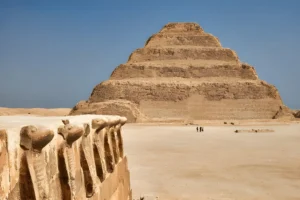
Saqqara Pyramid (Pyramid of Djoser)
When I stood in front of the Saqqara Pyramid, I was amazed at how smart the Egyptians were. This is the first big stone structure in history. It was built around 2670 BC by the architect Imhotep. You can say it was the start of the age of building pyramids in Egypt.
In contrast to Giza’s more well-known pyramids, the Pyramid of Djoser has a unique step form that makes it feel calmer and more peaceful. It’s one of my favorite places to visit near Cairo for people who want a less busy but still historically important experience.
The Pyramid of Djoser changed Egyptian architecture and made it possible for other pyramids to be built. The nearby tombs are not to be missed. They are covered with well-preserved hieroglyphics that bring ancient Egyptian rituals to life.
Tip: Spend some time exploring the tombs to learn more about Egypt’s spiritual history from long ago.
Luxor – The World’s Largest Open-Air Museum
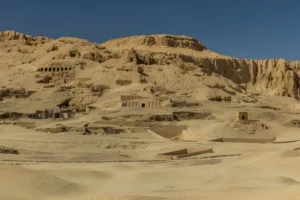
Valley of the Kings
Going into the Valley of the Kings in Luxor was like going into a secret world of Egyptian history. It felt like I was discovering secrets from 3,000 years ago when I walked through the tombs of famous pharaohs. One of them was Tutankhamun, whose riches were found in 1922.
The well-preserved wall drawings inside the tombs that show scenes from the afterlife are very interesting because they show how the ancient Egyptians thought about death.
From the 16th century BC to the 11th century BC, the valley was used as a royal grave ground. Each tomb in the valley has its own design, which shows the different pharaohs who were buried there. People who are interested in history and archaeology should definitely visit the Valley of the Kings.
Tip: Get there early in the morning to beat the crowds and heat. You can easily see this ancient place at your own speed if you rent a car through Skyscanner.

Karnak Temple Complex
The Karnak Temple Complex is more than simply a historical landmark; it is a great monument to Ancient Egypt’s gods. Construction began almost 4,000 years ago, but numerous pharaohs continued to add to the temple over the ages, resulting in one of Egypt’s greatest and most spectacular religious structures.
Walking into the hypostyle hall, with its 134 towering columns, left me in amazement. Each column is beautifully engraved with hieroglyphics, which tell stories about the gods and pharaohs who adored them.
The sheer size of the site was staggering, and it’s difficult to understand how such a massive edifice was constructed so many centuries ago.
The Karnak Temple complex is a testament to Egypt’s historic religious and architectural achievements. The building demonstrates the pharaohs’ dedication to their gods. If you have time, do not miss the nighttime light and sound display. It’s an incredible opportunity to witness the temple’s grandeur and history as it comes life in the evening.

Luxor Temple
The Luxor Temple is a must-see attraction, especially when lighted by the warm glow of the twilight sky. Amenhotep III built this ancient temple approximately 1400 BC, which Ramses II subsequently extended. It is located in the center of Luxor.
Its stunning architecture and historical significance make it one of Egypt’s most outstanding monuments.
Luxor Temple is remarkable because of how much history it has. From towering pharaonic monuments to the remains of Christian churches, it vividly depicts Egypt’s religious and cultural heritage.
The magnificent entryway, surrounded with sphinxes, makes for a fantastic photo opportunity, especially after sunset, when the temple is drenched in golden light.
Luxor Temple is a fascinating illustration of how Egyptian temples have changed throughout time. The site’s mix of pharaonic and Christian elements reflects Egypt’s evolving religious environment.
Pro Tip: Don’t miss the breathtaking images you may take around sunset, when the temple’s majesty is enhanced by the mellow evening lighting.

Mortuary Temple of Hatshepsut
The Mortuary Temple of Hatshepsut, carved into the cliffs of Deir el-Bahari, is a magnificent tribute to one of Egypt’s most powerful female pharaohs.
Hatshepsut reigned in the 15th century BC and is remembered for her exceptional reign and devotion to the deity Amun. Her temple, with its tiered form, is unique in Egyptian architecture and merges in perfectly with the natural surroundings.
What distinguishes this temple is its architectural ingenuity. The multi-level architecture and absorption into the cliffs set this temple apart from all others in Egypt. Inside, hieroglyphics tell the interesting tale of her reign, emphasizing her achievements and role as a leader in a male-dominated culture of Egypt.
Hatshepsut’s Mortuary Temple is more than simply a wonder of Egyptian construction; it also represents her rule and the importance of women in ancient Egypt’s political and religious life. Walking inside the temple, I felt a profound respect for her legacy and the architectural talent that brought it to life.
Pro Tip: The temple is best viewed in the early morning or late afternoon, when the lighting enhances the structure’s splendor by accentuating the detailed carvings and enormous terraces.

Colossi of Memnon
The Colossi of Memnon are two massive sculptures of Pharaoh Amenhotep III that have endured for approximately 3,400 years. Each statue is 18 meters (60 feet) tall and depicts the majesty of ancient Egyptian structures.
Although the temple they formerly guarded is now demolished, the Colossi of Memnon are remarkably well-preserved. One of the most exciting features of my visit was hearing the sculptures’ “singing” created by wind traveling through fissures in the stone—a mystery that has enthralled tourists for decades.
The voices of the Colossi of Memnon are an intriguing phenomena that adds to the fascination of this ancient place.”
Pro Tip: To properly appreciate the majesty of this ancient landmark, go around daybreak when the sculptures are bathed in golden light and the crowds are few.
Aswan – Gateway to Southern Egypt

Abu Simbel Temples
As I approached the towering Ramses II sculptures at Abu Simbel, I was stunned by their tremendous grandeur and superb craftsmanship. These Egyptian temples, built in the 13th century BC, were cut right into the rock to honour Ramses II and his queen Nefertari.
Each of the four huge sculptures is 20 meters (66 feet) tall, demonstrating ancient Egypt’s architectural prowess.
To prevent inundation from the Aswan High Dam, the Abu Simbel temples were methodically moved in the 1960s, making it one of modern archaeology’s most astounding accomplishments.
A very breathtaking sight occurs when sunlight reaches the sculptures at specific periods of the year, especially around Ramses II’s birthday, lighting them in a golden glow.
“The relocation of Abu Simbel Temples was a monumental achievement that preserved one of Egypt’s most iconic landmarks, ensuring that future generations could experience its grandeur.”

Philae Temple
The Philae Temple is one of Egypt’s most beautiful and spiritually significant temples, dedicated to the goddess Isis. Built during the Ptolemaic period, its intricate reliefs and picturesque island setting make it feel like a hidden treasure.
Accessible exclusively by boat, the voyage to Philae Temple was as wonderful as the temple itself, delivering a peaceful experience down the Nile.
The temple’s walls are covered in beautiful sculptures that portray the fascinating narrative of Isis and Osiris, enticing me further into their ancient mystery. As I went around the tranquil courtyards, I was filled with calm and amazement at the hallowed space’s historical and spiritual significance.
Philae Temple stands as a perfect example of the fusion of Egyptian and Greek architectural styles, and its relocation to Agilkia Island was a marvel of modern engineering, preserving a key piece of Egypt’s cultural heritage.

Nile River Cruise
Among the many enjoyable and memorable things to do in Egypt, a sail down the Nile River ranks high. From Luxor to Aswan, cruising along the famous Nile River gives you a unique view of Egypt’s timeless beauty.
The lush, fertile Nile banks, towering old temples, and traditional feluccas (sailboats) floating on the water provide a sense of peace and amazement. As the sun goes down over the Nile, a golden glow spreads across the water, making for one of the most beautiful sunsets you’ll ever see.
This cruise is great for anyone who wants to see Egypt in a way that is both relaxing and educational. You can look at the palaces of Luxor, the Valley of the Kings, or just enjoy the calm river sounds.
Stopping at important places along the way could really make the experience more real. Egypt’s heart for hundreds of years has been the Nile River. A cruise on the river is a great way to learn about how important it was to old Egyptian society. Through this famous river, the Nile, there is something for everyone, from a fancy tour to a more laid-back journey.
Alexandria – A Mediterranean Gem

Bibliotheca Alexandrina
Walking into the Bibliotheca Alexandrina, I couldn’t help but sense the weight of history. The old Library of Alexandria has been lost to time. The contemporary library in Alexandria, Egypt, which opened in 2002, is a remarkable monument to that historic institution.
Its architectural form, with a strong open circular shape and a sloping roof, harmoniously combines ancient and modern elements.
The Bibliotheca Alexandrina is more than simply a library; it’s a cultural and intellectual center. The extensive collections, which range from history to science and the arts, together with thought-provoking shows, make it a lively environment for knowledge and creativity.
Visitors can explore interactive exhibitions, attend seminars, or simply meander around the breathtaking reading halls overlooking the Mediterranean.
A visit to this contemporary marvel is essential for anybody interested in Egypt’s rich cultural history or the Library of Alexandria’s lasting impact. Whether you’re a bookworm, history buff, or architectural fan, the Bibliotheca Alexandrina has something for everyone.

Citadel of Qaitbay
The Citadel of Qaitbay, located on the historic site of Alexandria’s old Lighthouse, is a 15th-century castle intended to defend Alexandria, Egypt, against invaders.
As I visited the castle, the panoramic views of the Mediterranean Sea from its walls were just spectacular. The sea wind, sound of the waves, and historic atmosphere made for an amazing experience.
The citadel’s rich history only contributed to its appeal. Walking within the solid walls, you can almost envision the historic lighthouse that once stood here, carefully directing ships into Alexandria’s bustling harbor.
The Citadel of Qaitbay provides a unique look into Egypt’s military history while also affording one of the greatest vistas in the city.
Whether you’re a history buff or just want to take in the breathtaking Mediterranean vistas, the Citadel of Qaitbay is a must-see monument in Alexandria.

Alexandria National Museum
The Alexandria National Museum, housed in a magnificently renovated palace, takes visitors on a fascinating tour through Alexandria’s rich past. From its Pharaonic origins to its function as a Roman and subsequently an Islamic metropolis, the museum depicts the city’s rich past.
As I went around the exhibitions, I came upon an astounding variety of antiquities, including Greco-Roman sculptures, beautiful ancient Egyptian sarcophagi, and stunning Islamic ceramics.
The museum not only shows the various civilizations that have shaped Alexandria throughout the years, but it also gives a better understanding of how this coastal city evolved into a cultural and intellectual center. The collections depict a complex tapestry of ancient and modern Egypt, giving visitors to have a more personal understanding of the city’s historical significance.
Whether you’re a history buff or simply interested about Alexandria’s past, the Alexandria National Museum is a must-see for anybody looking to discover the layers of history that characterize this unique city.
Sharm el-Sheikh and the Red Sea – Egypt’s Aquatic Paradise

Ras Muhammad National Park
Swimming in the crystal-clear waters of Ras Muhammad National Park was unquestionably one of the highlights of my vacation to Egypt. This protected marine reserve, located near the southern extremity of the Sinai Peninsula, is known for its beautiful coral reefs and diverse marine life.
The undersea environment is nothing short of breathtaking. The multicolored fish darting in and out of the corals, mixed with the kaleidoscope of aquatic animals, provided a unique experience.
Whether you’re a seasoned diver or a first-time snorkeler, Ras Muhammad provides some of the greatest underwater exploring in the world. I spent hours snorkeling, entranced by the variety of marine life, which included tropical fish, sea turtles, sharks, and rays.
The park’s pure waters and protected status keep coral ecosystems robust and growing, making it a must-see for anybody interested in scuba diving or snorkeling in Egypt.

Tiran Island
Tiran Island is without a doubt one of Egypt’s best destinations to go diving in the Red Sea. The island is well-known for its crystal-clear seas, making it a great location for diving.
The brilliant coral reefs, towering underwater canyons, and plentiful marine life combine to create a breathtaking underwater scene that is ideal for both divers and snorkelers.
Even though I’m not a competent diver, snorkeling around Tiran Island allowed me to see the splendor of the Red Sea firsthand. The waters are so transparent that you can readily see schools of tropical fish, and the coral formations are among the most stunning I’ve ever seen.
Aside from diving, the island itself provides a pleasant break from Egypt’s busiest tourist destinations. With its beautiful beaches and calm seas giving the ideal chance to rest and reconnect with nature.
Whether you’re an experienced diver or a casual snorkeler, Tiran Island is a must-see location for anyone looking for the best Red Sea experience.

The Blue Hole of Dahab
The Blue Hole in Dahab is a must-see for anybody who enjoys scuba diving and exploring the Red Sea. This deep, natural sinkhole is well-known for its beautiful blue tints and tremendous depth.
As I jumped into the crystal-clear waters, I was amazed by the vivid coral reefs, schools of tropical fish, and the occasional sea turtle. The Blue Hole provides an exceptional diving experience, drawing divers from all over the world.
After my dive, I traveled to Dahab, a laid-back town ideal for unwinding and exploring the local landscape. Whether you’re diving, snorkeling, or simply soaking in the sun, Dahab’s laid-back atmosphere makes it the perfect place to decompress.
If you want thrills or simply adore the water, the Blue Hole is one of Egypt’s best diving sites.

Saint Catherine’s Monastery
Saint Catherine’s Monastery, located at the base of Mount Sinai, is one of the world’s oldest operational Christian monasteries.
Visiting this UNESCO World Heritage site was a highly significant experience, given its rich history and spiritual significance. It is said to be the site of the biblical burning bush, which adds to its veneration.
The monastery’s historic library houses some of the oldest Christian texts, making it a popular destination for historians and researchers.
Walking within its old walls, I couldn’t help but feel the spiritual atmosphere that has pervaded this location for ages. Saint Catherine’s Monastery is a must-see for anybody studying Egypt’s holy sites, whether because of its spiritual history or historical relevance.
Desert and Oasis Adventures

Siwa Oasis
In the Western Desert of Egypt, Siwa Oasis is a quiet place to get away from all the busy tourist spots. With its natural springs and palm trees, Siwa seems like a world away. People know this oasis in the middle of nowhere for its unique desert scenery and slower pace of life.
One of the best parts of my trip was visiting the old Fortress of Shali, which used to keep attackers away from the Siwan people. The ruins of the castle and the beautiful desert scenery made Siwa an adventure that I will never forget. Anyone who wants to experience the peace and quiet of life in Egypt’s desert should go to Siwa Oasis, whether they’re looking for excitement or rest.

The White Desert
The White Desert is a scenery unlike any other. Its spectacular chalk rock formations, formed over millions of years by wind erosion, create an almost alien landscape that feels right out of a science fiction novel.
Camping beneath the stars here was a memorable experience, with the silence of the desert adding to the grandeur of the bizarre surroundings.
The silence, along with the gorgeous surroundings, made me feel like I’d been transported to another planet. Whether you’re searching for adventure or a chance to unwind, the White Desert provides a humbling and uplifting experience.

Mount Sinai
Hiking Mount Sinai is both a physically demanding and immensely spiritual adventure. According to legend, Moses received the Ten Commandments on this mountain.
As I reached the peak and saw the sun rise over the desert, I felt a profound feeling of calm and achievement.
The views from the summit are just stunning, with the desert extending out in all directions. Whether you’re religious or not, the journey, history, and breathtaking landscape make hiking Mount Sinai an amazing experience. It’s an absolute must-do for everyone visiting Egypt.

The Great Sand Sea (Siwa)
The Great Sand Sea in Siwa is this amazing, endless stretch of golden dunes. It really creates one of the most breathtaking desert landscapes I’ve ever come across. I went on an exciting 4×4 tour to check out the huge desert, and it turned out to be one of the best parts of my trip.
Riding down those massive dunes on a sandboard was such a rush! It really made me appreciate just how vast and incredible the desert is.
If you’re on the hunt for some adventure, Siwa is definitely the spot to check out. If you’re looking for a peaceful time, why not hop on a camel and stroll through the dunes? It’s a great way to soak in the calm of the desert.
Practical Tips for Best Places to Visit in Egypt

- Best Time to Visit Egypt
The best time to visit Egypt is during the cooler months, from October to April. This period is ideal for exploring outdoor attractions like the Pyramids of Giza and the temples of Luxor, as the temperatures are more comfortable.
Summer months (May to September) can be extremely hot, especially in southern Egypt, so it’s recommended to plan your trip around the cooler seasons for a more enjoyable experience.
- Is Egypt Safe for Tourists?
While Egypt is generally safe for tourists, staying updated on travel advisories is always wise. Stick to well-known tourist spots and use reputable tour operators for added security. Personally, I felt safe during my trip, but, as with any destination, it’s always best to stay aware of your surroundings and take standard safety precautions.
- What to Pack for Your Egypt Trip
When packing for Egypt, lightweight, breathable clothing is essential for daytime, with warmer layers for cooler nights, especially during the winter months. Don’t forget sun protection, comfortable walking shoes, and a reusable water bottle to stay hydrated.
If you plan to visit religious sites or mosques, it’s respectful to pack modest clothing. For women, covering shoulders and knees is advised, while men should avoid wearing sleeveless shirts.
Read –
How to Plan a Solo Trip for the First Time
Affordable Eco-Friendly Tips for Traveling – Sustainable Vacation
50 Cheap Ways to Travel and Save Money While Traveling
Frequently Asked Questions About Traveling to Egypt

What are the must-see historical sites in Egypt?
Egypt is packed with iconic ancient landmarks. Start with the Pyramids of Giza and the Great Sphinx near Cairo. Visit Luxor for the Valley of the Kings, Karnak Temple, and Luxor Temple. Add Abu Simbel for the giant temples of Ramses II. Go to Saqqara to see the Step Pyramid of Djoser. If you want a spiritual stop, visit Saint Catherine’s Monastery near Mount Sinai. These places are top picks for history lovers and first-time visitors.
Is Egypt good for a romantic getaway?
Yes. Egypt works well for couples. A Nile River cruise between Luxor and Aswan is calm and scenic. Sharm El Sheikh is great for beach resorts and snorkeling. Siwa Oasis is perfect for a quiet desert escape. Cairo also has rooftop dining with city views. You can mix relaxation, culture, and adventure in one trip.
Is Egypt affordable for travelers?
Egypt can be budget-friendly compared to many destinations. Costs vary by city and season. Budget hotels and hostels are usually cheaper than resorts. Local food is often low-cost, especially street food and small restaurants. Attraction tickets can add up, especially if you enter multiple tombs or special areas. Public transport is cheap in major cities. Private drivers and guided tours cost more but save time.
Is Egypt safe to visit in 2026?
Egypt is generally safe in major tourist areas, but you should stay alert like anywhere else. Stick to well-known attractions in Cairo, Luxor, Aswan, and Red Sea resorts. Use licensed taxis or trusted tour operators. Avoid isolated areas at night. Keep valuables secure in crowded places. Always check current travel advisories before you go.
Keyword support: Is Egypt safe 2026, Egypt travel safety tips
What should I pack for Egypt?
Pack for heat and sun. Bring lightweight clothing for daytime. Add layers for cool evenings, especially in winter or the desert. Wear comfortable walking shoes for temples and ruins. Bring sunscreen, sunglasses, and a hat. Carry a reusable water bottle. For mosques and religious sites, dress modestly. Cover shoulders and knees.
Can I visit Egypt if I only speak English?
Yes. English is common in tourist areas, hotels, and guided tours. In smaller towns, English may be limited. A translation app helps. Learning a few Arabic phrases is also useful and appreciated.
Do I need a visa to visit Egypt?
Many travelers need a visa. Some nationalities can use an Egypt e-Visa. Others can get a visa on arrival. Rules depend on your passport. Check the latest requirements before booking flights.
Keyword support: Egypt visa requirements, Egypt eVisa, visa for Egypt 2026
What currency is used in Egypt, and do they accept cards?
Egypt uses the Egyptian Pound (EGP). Cards work in many hotels, larger restaurants, and tourist shops. Cash is still useful for markets, tips, and small purchases. ATMs are widely available in cities.
What cultural customs should I know in Egypt?
Dress modestly in religious places and local areas. Ramadan can affect business hours and daily routines. Be respectful when taking photos, especially of people. Tipping is common in Egypt. Small tips are often expected for service, guides, and drivers. Greetings are usually friendly, but some people avoid physical contact with the opposite gender.
Is it safe to swim or snorkel in the Red Sea?
Yes, the Red Sea is popular for snorkeling and scuba diving. Sharm El Sheikh, Hurghada, Dahab, and Marsa Alam are well-known spots. Follow local safety rules. Avoid swimming alone in remote areas. Watch for currents and reef zones.
What are the best beach destinations in Egypt?
The top beach areas are on the Red Sea. Sharm El Sheikh is known for resorts and reefs. Hurghada is popular for beach holidays and diving trips. Dahab is calmer and budget-friendly. Marsa Alam is quieter and great for snorkeling.
What is the weather like in Egypt?
Egypt has a desert climate. Summers are very hot, especially in Luxor and Aswan. Winters are mild and more comfortable for sightseeing. Nights can be cool in desert areas. Rain is rare, but coastal areas may get light winter showers.
What health precautions should I take for Egypt?
Talk to your doctor about routine vaccines. Some travelers also consider Hepatitis A or Typhoid, depending on itinerary. Drink bottled water if your stomach is sensitive. Use sun protection daily. Get travel insurance, especially if you plan diving or desert tours.
What are the best things to do in Egypt besides temples?
Try a Nile cruise for relaxing scenery and stops. Go snorkeling or diving in the Red Sea. Take a desert tour in the White Desert. Visit Siwa Oasis for springs and dunes. Explore local markets like Khan el-Khalili. Watch cultural shows, music, or traditional performances in Cairo.
Is Egypt crowded in 2026?
Yes, major hotspots can be busy during peak months. Cairo, Giza, Luxor, and the Red Sea see higher demand in winter and holiday periods. Booking early helps.
What’s new to see in Cairo in 2026?
The Grand Egyptian Museum is a major highlight for 2026 itineraries. It opened in November 2025 and is now a key stop near the Pyramids of Giza.
Do I need a visa for Egypt in 2026?
Many travelers use e-Visa or visa on arrival, but rules depend on nationality. Always confirm the latest requirements close to your travel date.
Do Egypt attraction rules change in 2026?
They can. Some major sites publish updated visitor rules, ticket handling, and entry guidance. Check official site rules before your visit.